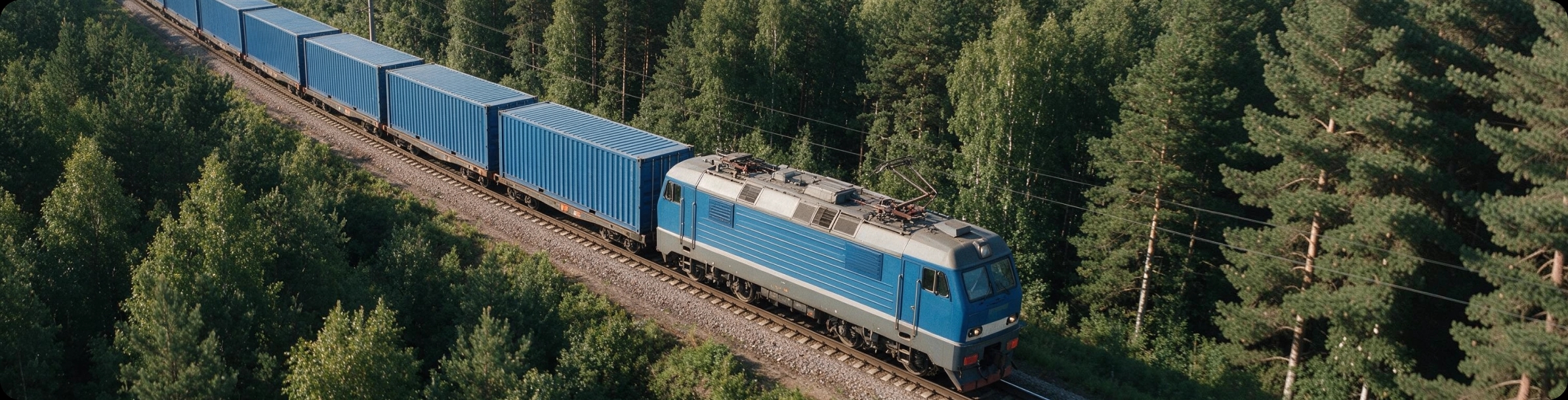

Railway Container Transportation

Container transportation by rail — domestic and international routes. Our own container trains on a stable schedule. A direct contract with China Railway. Four transport corridors: via Zabaykalsk, Naushki, Dostyk and Mongolia. Our own flatcars — 2 000+ units. A single container along the entire route — with no cargo transloading.

Calculate Cost
Railway Container Transportation

2 000+

own flatcars

4

transport corridors instead of dependence on a single route

Calculate Cost

Why choose rail transportation

Rail transportation is a balance between the cost of sea delivery and the speed of air freight. For imports from China, rail means 14–20 days to Moscow versus 30–45 days by sea via western ports. For domestic routes — a stable schedule and independence from weather conditions.

  1. A stable schedule for our own trains

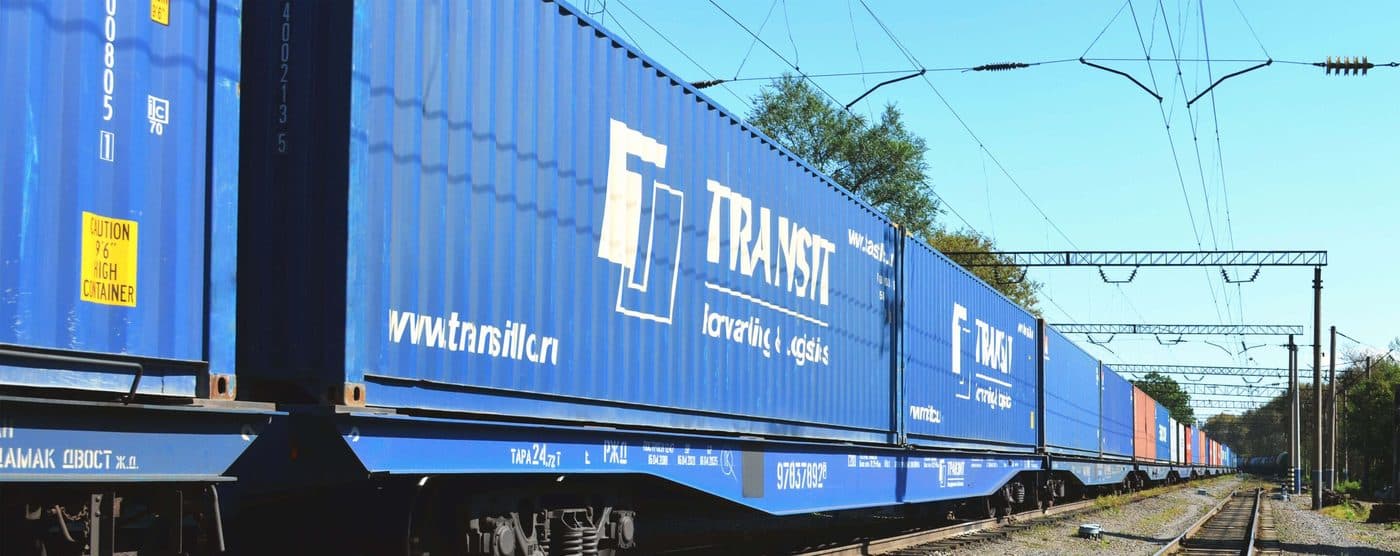
    Our own container trains run on a fixed schedule. This means the delivery time is not a rough 'approximately' estimate, but a commitment to a specific train. If one train is delayed, we promptly transfer the container to another. Schedule control is ours, not someone else's.

  2. Four transport corridors

    Routes via Zabaykalsk, Naushki, Dostyk and Mongolia. If one corridor is congested or closed — we switch to an alternative. This protects the supply chain from disruptions. Most carriers operate on a single route — we offer four.

  3. A direct contract with China Railway

    A direct contract with China Railway — no intermediaries. This means priority in scheduling, early access to timetables and the ability to resolve issues promptly. For the client — predictable transit times and no hidden markups.

  4. A single container — with no cargo transloading

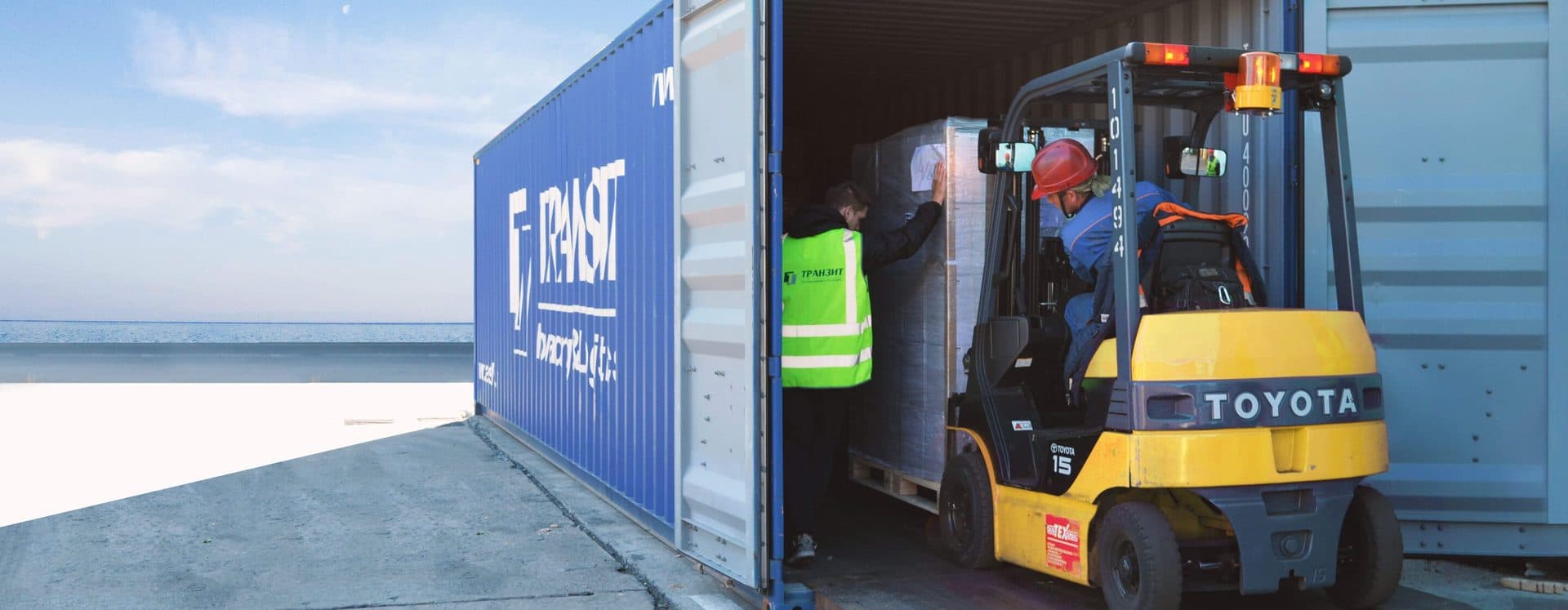
    The container is loaded in the country of origin and travels to the destination station without transloading. The cargo never leaves the container along the entire route. This eliminates transloading damage and cargo loss, and cuts handling time.

What cargo we carry

Rail transportation suits a wide range of cargo. Below are the main categories with ready-made logistics solutions.

Cargo categories and examples
CategoryProduct examples
Electronics and appliancesSmartphones, laptops, home appliances, components, server equipment
Clothing and textilesReady-to-wear clothing, fabrics, trims, footwear, accessories
Auto partsTires, wheels, body parts, engines, consumables
Furniture and interiorCase goods, upholstered furniture, decor, sanitary ware
Equipment and machineryIndustrial equipment, machine tools, spare parts, metal structures
Agricultural productsGrain, oilseeds, legumes — export and import
Construction materialsRolled metal, finishing materials, sanitary ware, tools
Chemicals and plasticsPolymers, chemical raw materials, plastic, rubber

Types of transportation

Rail transportation is divided into domestic and international. The choice depends on the cargo route.

Within Russia

Container transportation by rail within Russia. Routes from Far East ports to Moscow, Yekaterinburg, Novosibirsk. From hubs in the European part — to the regions. A stable schedule of our own trains.

Domestic · stable schedule · 2 000+ flatcars
International (China — Russia)

Container transportation from China to Russia via four corridors: Zabaykalsk, Naushki, Dostyk, Mongolia. A direct contract with China Railway. Offices in Shanghai and Chengdu — first mile in the country of origin. 14–20 days to Moscow.

International · 4 corridors · direct contract with China Railway

Multimodal (Sea + Rail)

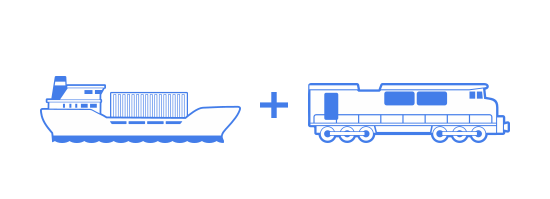
A sea leg to the port + rail to the destination station. Cost and transit time optimization. A single container along the entire route. A single responsible partner.

Multimodal · optimization · single service loop

Transportation geography

Our rail transportation geography covers four transport corridors from China and the entire network of domestic routes.

Via Zabaykalsk

The main China — Russia route. The Zabaykalsk — Manzhouli border crossing. A short path from factories in northern and central China to Moscow — 14–18 days. A direct contract with China Railway. Offices in Shanghai and Chengdu — first mile.

Via Naushki

An alternative route via the Naushki — Sükhbaatar (Mongolia) border crossing. For cargo from central and southern China. Some sections pass through Kazakhstan in express mode. Reduces the load on Zabaykalsk.

Via Dostyk

A route via the Dostyk border crossing (Kazakhstan). For cargo from western China and Central Asia. Our own flatcars on the route. Passage through Kazakhstan in express mode.

Via Mongolia

Our own flatcars on the route through Mongolia. An alternative corridor to reduce the load on Zabaykalsk. Offices in China — first mile. Four corridors instead of dependence on a single route.

Company scale and capacity

The numbers behind our rail transportation capacity.

2 000+

own flatcars

4

transport corridors

36 000+

owned containers

14–20

days from China to Moscow

2

offices in China — Shanghai and Chengdu

13

offices in 7 countries

Our own container trains

A stable schedule for our own trains. The container never sits idle waiting for a flatcar — it is loaded and departs immediately. If one train is delayed, we promptly transfer the container to another. Schedule control is ours, not someone else's.

A direct contract with China Railway

A direct contract with China Railway — no intermediaries. Priority in scheduling, early access to timetables, the ability to resolve issues promptly. For the client — predictable transit times and no hidden markups.

Four transport corridors

Routes via Zabaykalsk, Naushki, Dostyk and Mongolia. If one corridor is congested or closed — we switch to an alternative. This protects the supply chain from disruptions. Most carriers operate on a single route.

Offices in Shanghai and Chengdu

Offices in China — local native-speaking specialists. They arrange the first mile: factory pickup, document checks, warehouse consolidation, delivery to the departure station. This eliminates errors at the origin stage.

Our own flatcars — 2 000+

2 000+ own flatcars. This means we do not depend on third-party carriers. The container never sits idle waiting for a flatcar — it is loaded and departs immediately. Schedule control is ours.

Express passage through Kazakhstan

Some sections of the route through Kazakhstan run in express mode. This cuts total delivery time and reduces the risk of delays at border crossings. Four corridors — four optimization options.

Use cases we handle

Rail transportation solves a variety of business challenges. Below are typical scenarios with ready-made logistics solutions.

Electronics import from China via Zabaykalsk

A distributor imports electronics from China. A container train via Zabaykalsk — 14–18 days to Moscow. The Shanghai office arranges the first mile: factory pickup, document checks, consolidation. A single container — with no cargo transloading. Result: a predictable transit time and minimal delay risk.

Rerouting when Zabaykalsk is congested

An importer ships goods from China. Zabaykalsk is congested in peak season. We reroute via Naushki through Mongolia. Our own flatcars on the route. Express passage through Kazakhstan. Result: the cargo delivered on time without delay — thanks to four corridors instead of one.

Domestic transportation from the port of Vladivostok

The cargo arrived by sea in Vladivostok. At the Ussuriysk terminal — receiving and forming a container train to Moscow. A stable schedule. Our own flatcars. A single container — with no cargo transloading. Result: delivery from port to the consignee's warehouse within a single service loop.

Stages of transportation arrangement

  1. Request and quote

    You submit a request with your cargo parameters. The manager clarifies the details: departure station, destination station, container type, timing. We prepare a commercial proposal with a detailed breakdown of all costs.

  2. First mile (for international routes)

    For imports from China: our specialists in Shanghai or Chengdu arrange factory pickup, document checks, warehouse consolidation and delivery to the departure station. For domestic routes — container receiving at the terminal.

  3. Loading onto a flatcar

    The container is loaded onto our own flatcar. A single container along the entire route — with no cargo transloading. The cargo does not leave the container until the destination station.

  4. Rail transportation

    The container travels as part of a container train on a stable schedule. A direct contract with China Railway — priority in scheduling. You get online access to statuses: current station, ETA, border crossing status.

  5. Customs clearance

    Our customs brokers prepare the declaration, calculate duties and VAT, and support cargo release. We shift the customs burden closer to the destination station — this adds extra working days.

  6. Unloading at the destination station

    The container arrives at the destination station. We arrange unloading and receiving. If needed — LCL deconsolidation.

  7. Delivery to the consignee's warehouse

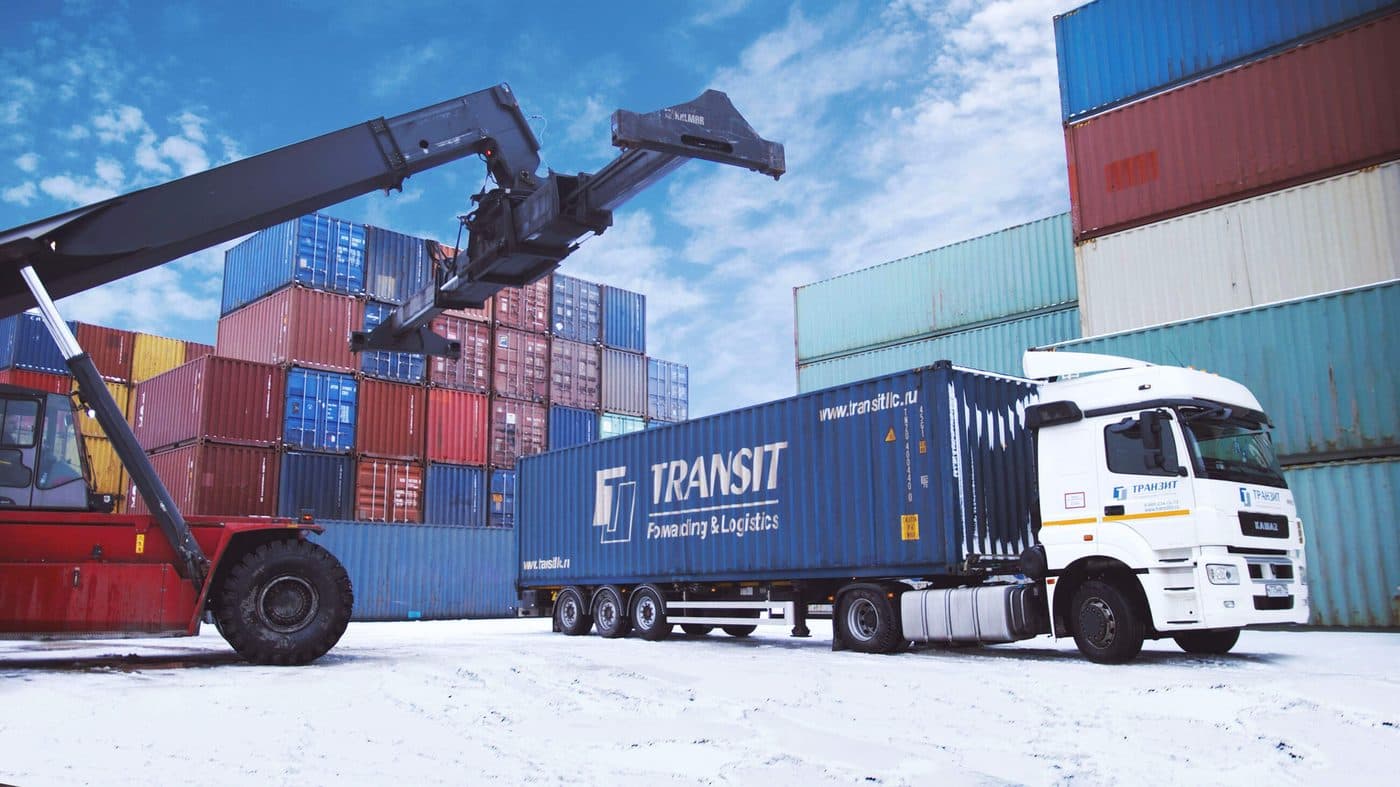
    We arrange the last mile — container delivery to the consignee's warehouse by truck. We hand over the full package of closing documents.

End-to-end logistics support

Rail transportation is more than delivery on rails. We take care of every stage: from the first mile in China to the last mile at the consignee's warehouse.

Customs clearance

Full cycle: HS code classification, customs value calculation, declaration preparation, release support. We handle import duties, VAT, excises and currency control.

Cargo insurance

Container and cargo insurance for full value on every leg of the route. The policy covers damage, loss and delay risks.

Warehouse handling

Our own warehouses in Moscow, St. Petersburg, Yekaterinburg, Vladivostok. Container receiving, LCL deconsolidation, cross-docking. Further delivery to the consignee's warehouse.

Comparing delivery methods from China

MethodTimeCostWhen to choose
Rail via Zabaykalsk14–18 days to MoscowMediumUrgent deliveries — with no sea leg
Sea via Vladivostok + rail7–12 + rail across RussiaLowerLarge batches — cost optimization
Trucking (express)12–15 daysHigherUrgent deliveries of small batches

Rail via Zabaykalsk

Time
14–18 days to Moscow
Cost
Medium
When to choose
Urgent deliveries — with no sea leg

Sea via Vladivostok + rail

Time
7–12 + rail across Russia
Cost
Lower
When to choose
Large batches — cost optimization

Trucking (express)

Time
12–15 days
Cost
Higher
When to choose
Urgent deliveries of small batches

We will prepare a comparative quote for your cargo — with specific transit times, budgets and risks for each option.

Frequently asked questions

14–20 days depending on the corridor. Via Zabaykalsk — 14–18 days. Via Naushki and Mongolia — 16–20 days. Via Dostyk — 18–20 days. The exact time is stated in the commercial proposal after clarifying the cargo parameters and route.

Work with us

Submit a request and our specialists will contact you. We will calculate the cost and select the optimal route and delivery time. The consultation is free.

Submit a request