Railway transportation within Russia

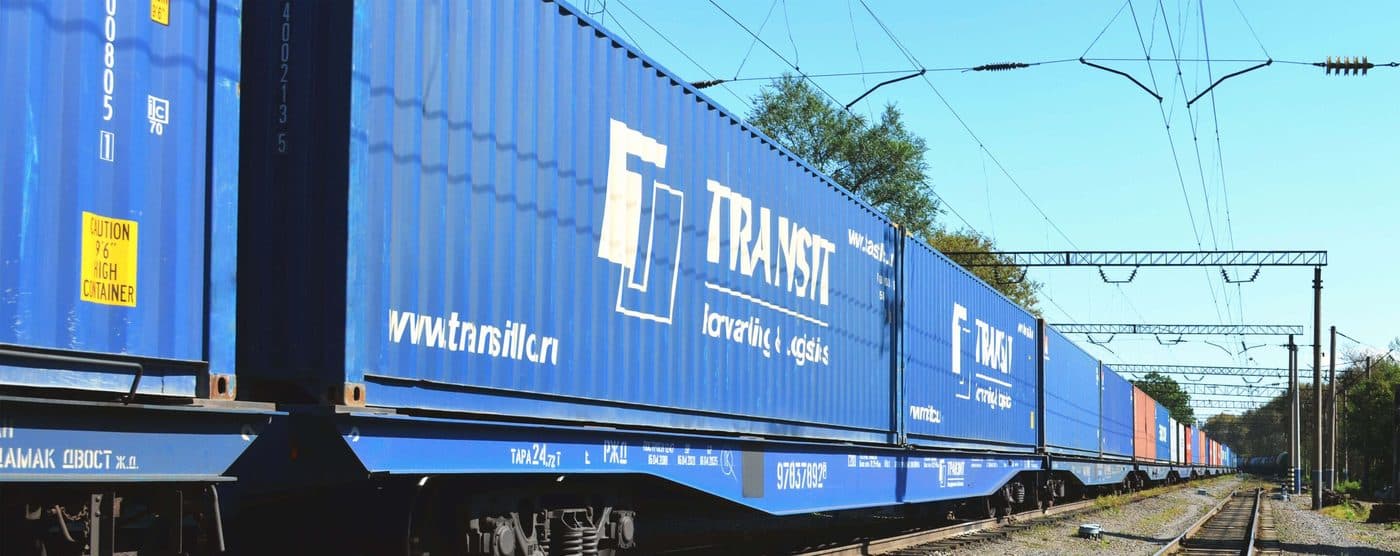
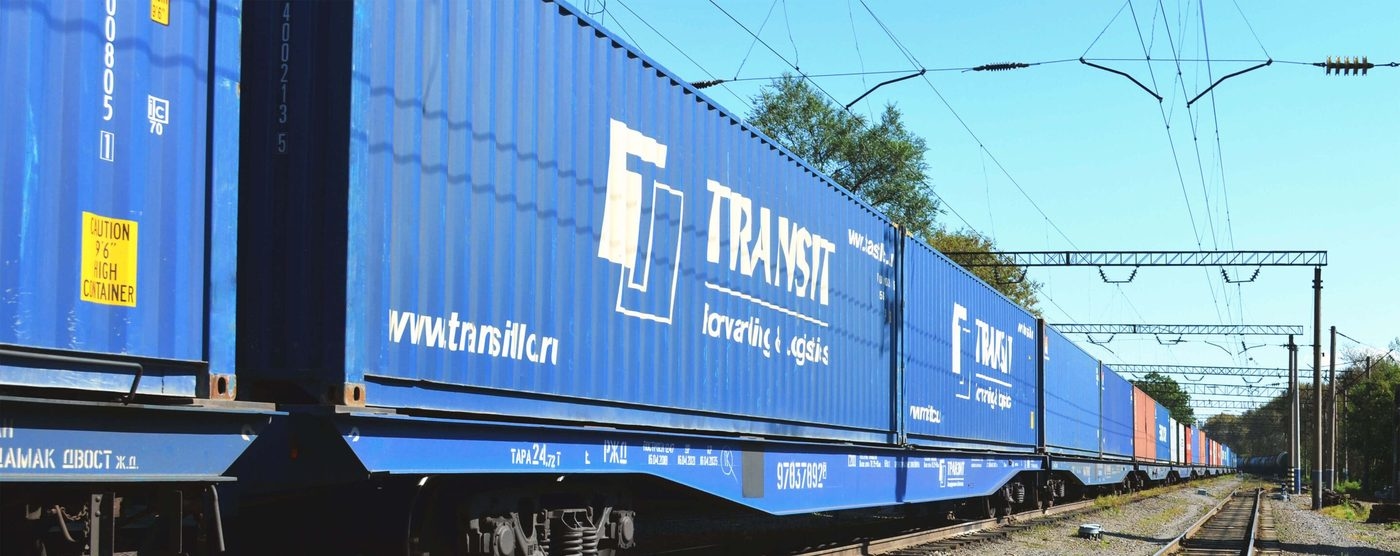
Container transportation by rail within Russia. A fixed schedule of our own trains and 2 000+ own container flatcars. Routes from the ports of the Far East to Moscow, Yekaterinburg, and Novosibirsk. From hubs in the European part of the country — to the regions. A single container along the entire route — with no reloading of cargo. Customs clearance and the last mile within a single end-to-end loop.

Calculate Cost
Railway transportation within Russia

2 000+

own container flatcars

7–14

days from Vladivostok to Moscow

Calculate Cost

Why choose rail transportation within Russia

Rail transportation within Russia means stability and independence from weather conditions. For cargo that arrived by sea to Vladivostok, rail is the primary way to deliver it to central Russia. For domestic shipments — a schedule of our own trains and control along the entire route.

  1. A fixed schedule of our own trains

    Our own container trains run on a fixed schedule. The delivery time is not a rough estimate but a commitment for a specific train. If one train is delayed, we promptly transfer the container to another. Control over the schedule is ours — not someone else's.

  2. 2 000+ own container flatcars

    We do not depend on third-party carriers. The container does not sit idle waiting for a flatcar — it is loaded and dispatched immediately. This shortens the total delivery time and eliminates downtime at the terminal.

  3. A single container — no cargo reloading

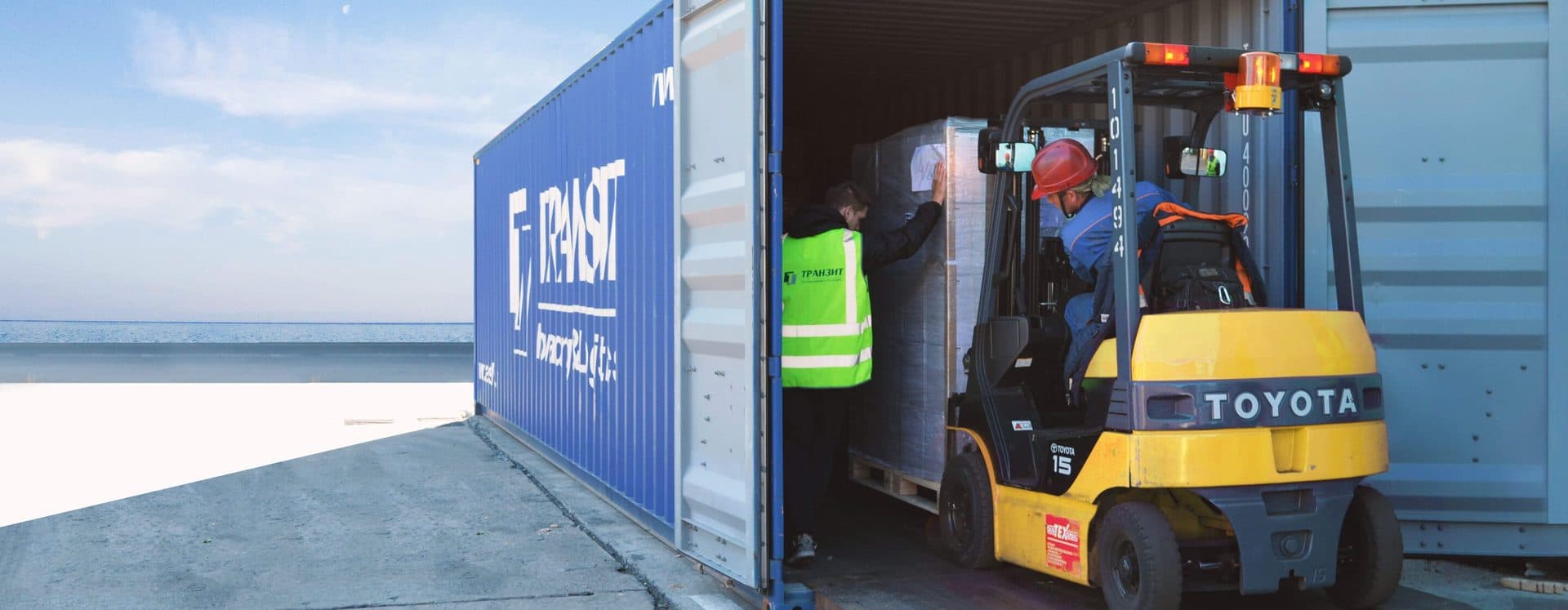
    The container is loaded at the departure station and travels to the destination station without reloading. The cargo never leaves the container along the entire route. This eliminates damage from reloading and cargo loss, and reduces handling time.

  4. Customs clearance and the last mile in a single end-to-end loop

    Customs clearance at the destination station, warehouse handling, and delivery to the consignee's warehouse — within a single end-to-end loop. One responsible partner for the entire chain. No need to coordinate three different contractors.

What cargo we transport

Domestic rail transportation suits a wide range of cargo. Below are the main categories for which we have configured logistics solutions.

Cargo categories and examples
CategoryProduct examples
Electronics and appliancesSmartphones, laptops, home appliances, components, server equipment
Clothing and textilesReady-made garments, fabrics, trims, footwear, accessories
Auto partsTires, wheels, body parts, engines, consumables
Furniture and interiorPanel furniture, upholstered furniture, décor, plumbing fixtures
Equipment and machine toolsIndustrial equipment, machine tools, spare parts, metal structures
Agricultural products (agribusiness)Grain, oilseeds, legumes — domestic transportation
Construction materialsRolled metal, finishing materials, plumbing fixtures, tools
Chemicals and plasticsPolymers, chemical raw materials, plastic, rubber

Types of transportation

Domestic rail transportation serves several key routes. The choice depends on the cargo route and the destination station.

Vladivostok — Moscow
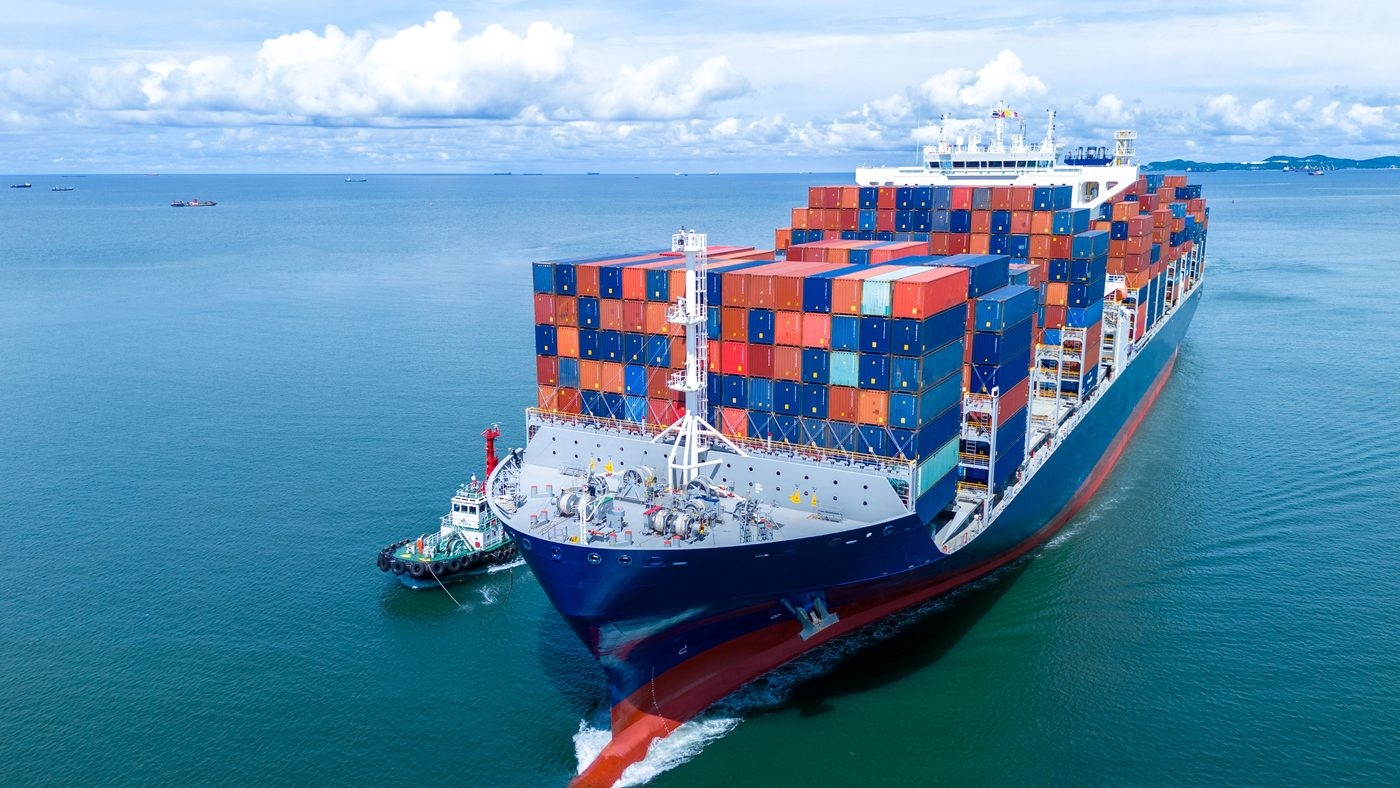
The main route for imports arriving by sea through Vladivostok. The container goes from the maritime terminal — onto our own flatcar — to Moscow. 7–14 days. A stable schedule. A single container — no cargo reloading.

East — West · 7–14 days · our own trains

Vladivostok — Yekaterinburg

A route from the port of Vladivostok to Yekaterinburg. Our own flatcars. A stable schedule. Warehouse handling and the last mile — our own warehouses in Yekaterinburg.

East — Urals · our own warehouses · a single end-to-end loop

Moscow — Russian regions

Container transportation from the hubs in Moscow to the regions of Russia. Our own warehouses in Moscow, St. Petersburg, Yekaterinburg, and Vladivostok. Distribution across the entire network.

Center — regions · 4 warehouses · distribution

Transportation geography

The geography of domestic rail transportation covers the main routes from the ports of the Far East to central Russia and the Urals.

Far East — Central Russia

A route from the ports of Vladivostok, Nakhodka, and Vanino to Moscow. The main corridor for imports arriving by sea through the Far East. 7–14 days. Our own trains on a stable schedule.

Far East — Urals and Siberia

A route from the Far Eastern ports to Yekaterinburg, Novosibirsk, and Krasnoyarsk. Our own warehouses in Yekaterinburg — warehouse handling and the last mile within a single end-to-end loop.

Central Russia — Northwest

Container transportation between Moscow and St. Petersburg. Our own warehouses in both cities. Cargo distribution and consolidation.

Cases we solve

Domestic rail transportation solves a variety of business challenges. Below are typical scenarios.

Import through Vladivostok — delivery to Moscow

Cargo arrived by sea to Vladivostok. At the terminal — receiving and formation of a container train to Moscow. A stable schedule. Our own flatcars. A single container — no cargo reloading. Customs clearance in Moscow. The last mile — to the consignee's warehouse. Result: delivery from the port to the warehouse within a single end-to-end loop.

Distribution to the regions from the Moscow warehouse

An importer consolidates cargo at the Moscow warehouse. Then — distribution across Russian regions by rail. Our own trains on a stable schedule. Warehouses in Yekaterinburg and Vladivostok — intermediate handling. Result: a unified distribution network.

Equipment delivery to a construction site

A manufacturing company ordered equipment from abroad. The cargo arrived by sea and cleared customs at the port. Then — rail transportation to the destination station closest to the construction site. The last mile — by truck to the site. Result: delivery from the port to the construction site within a single end-to-end loop.

Stages of organizing transportation

  1. Request and quote

    You submit a request with your cargo parameters. The manager specifies: departure station, destination station, container type, timelines. We prepare a commercial proposal with a detailed breakdown of all costs.

  2. Container acceptance

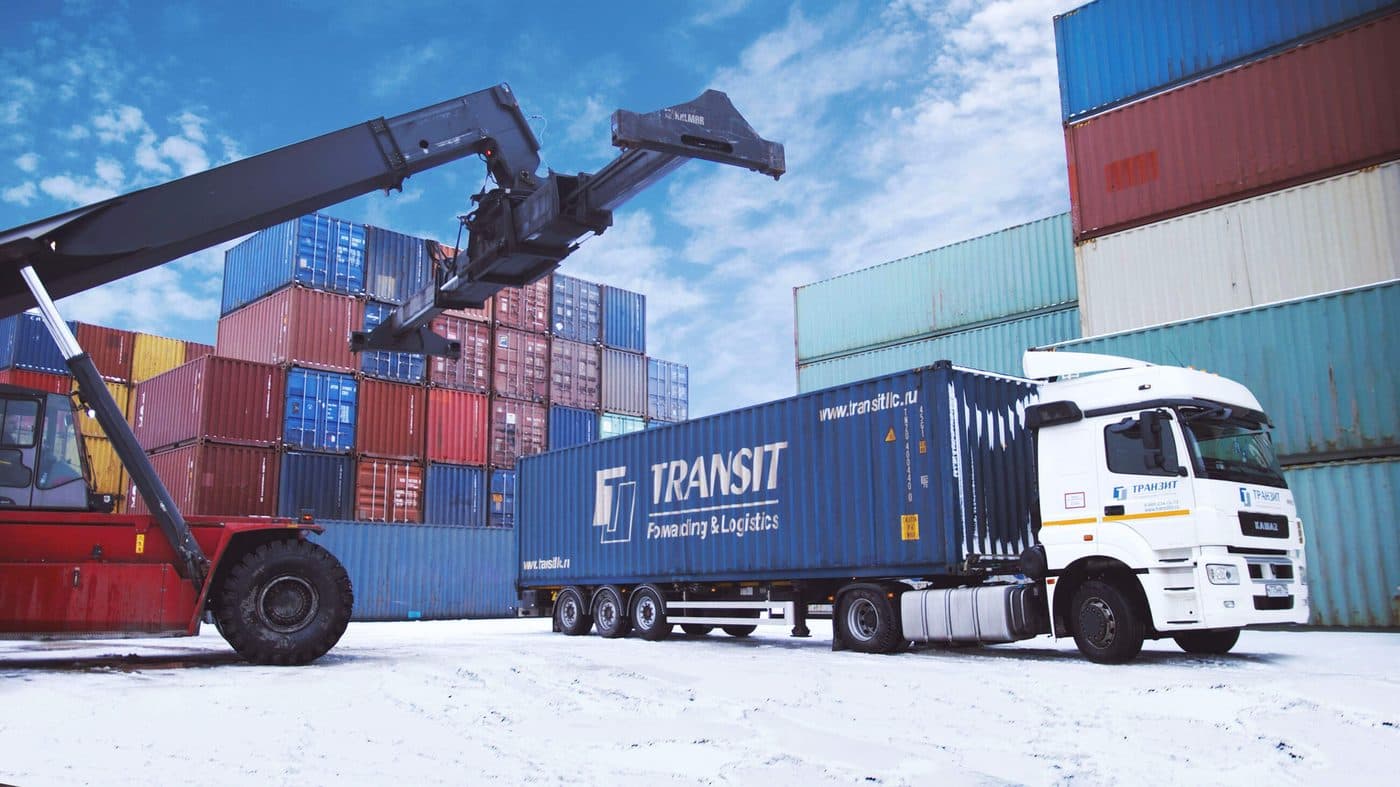
    The container is accepted at the departure terminal. Condition check and sealing. For imports arriving by sea — acceptance from the maritime terminal.

  3. Loading onto a flatcar

    The container is loaded onto our own flatcar. A single container along the entire route — with no reloading of cargo.

  4. Rail transportation

    The container travels as part of a container train on a stable schedule. You get online access to statuses: current station, ETA.

  5. Customs clearance

    Our customs brokers prepare the declaration, calculate duties and VAT, and support cargo release. Customs clearance at the destination station.

  6. Unloading at the destination station

    The container arrives at the destination station. We arrange unloading and receiving. If necessary — LCL deconsolidation at our own warehouse.

  7. Delivery to the consignee's warehouse

    We arrange the last mile — container delivery to the consignee's warehouse by truck. We hand over a complete package of closing documents.

Comparison of delivery methods within Russia

MethodTimeCostWhen to choose
Rail (our own trains)7–14 days from Vladivostok to MoscowMediumContainer shipments — a stable schedule
Truck (FTL)5–10 days from Vladivostok to MoscowHigherUrgent deliveries — point-to-point
Rail + truck (last mile)7–14 + 1–2 daysMediumDelivery to the consignee's warehouse in a single end-to-end loop

Rail (our own trains)

Time
7–14 days from Vladivostok to Moscow
Cost
Medium
When to choose
Container shipments — a stable schedule

Truck (FTL)

Time
5–10 days from Vladivostok to Moscow
Cost
Higher
When to choose
Urgent deliveries — point-to-point

Rail + truck (last mile)

Time
7–14 + 1–2 days
Cost
Medium
When to choose
Delivery to the consignee's warehouse in a single end-to-end loop

We will prepare a comparison quote for your cargo — with specific timelines and budgets for each option.

Frequently asked questions

7–14 days depending on the train and the route. The exact time is stated in the commercial proposal after clarifying the cargo parameters. A stable schedule of our own trains — the delivery time is a commitment, not an estimate.

Work with us

Submit a request and our specialists will contact you. We will calculate the cost and select the optimal route and delivery time. The consultation is free.

Submit a request