International rail transportation

Container transportation from China to Russia by rail. Four transport corridors: via Zabaykalsk, Naushki, Dostyk, and Mongolia. A direct contract with China Railway. Offices in Shanghai and Chengdu — the first mile in the country of departure. 14–20 days to Moscow. A single container along the entire route — with no reloading of cargo.

Calculate Cost
International rail transportation

4

transport corridors instead of dependence on a single route

14–20

days from China to Moscow

Calculate Cost

Why choose international rail transportation

Rail transportation from China is a balance between the cost of sea delivery and the speed of air freight. 14–20 days to Moscow versus 30–45 days by sea through western ports. A direct contract with China Railway and four corridors insure the supply chain against disruptions.

  1. Four transport corridors

    Routes via Zabaykalsk, Naushki, Dostyk, and Mongolia. If one corridor is overloaded or closed — we switch to an alternative. This insures the supply chain against disruptions. Most carriers operate on a single route — we offer four.

  2. A direct contract with China Railway

    A direct contract with China Railway — no intermediaries. Priority in scheduling, early access to timetables, and the ability to resolve issues promptly. For the client — predictable timelines and no hidden markups.

  3. Offices in Shanghai and Chengdu — the first mile

    Our offices in China are staffed by local native-speaking specialists. They arrange the first mile: pickup from the factory, document checks, warehouse consolidation, and delivery to the departure station. This eliminates errors at the dispatch stage.

  4. A single container — no cargo reloading

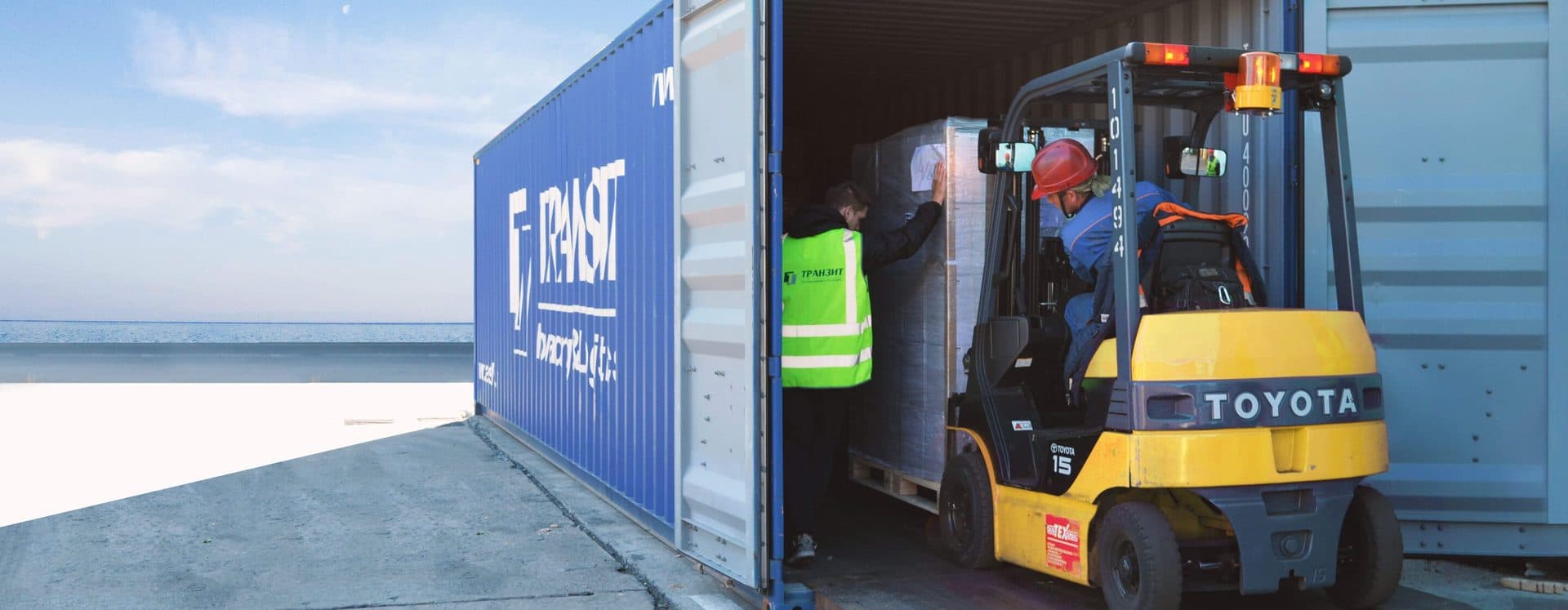
    The container is loaded in China and travels to the destination station in Russia without reloading. The cargo never leaves the container along the entire route. This eliminates damage from reloading and cargo loss, and reduces handling time.

What cargo we transport

International rail transportation suits a wide range of cargo from China. Below are the main categories for which we have configured logistics solutions.

Cargo categories and examples
CategoryProduct examples
Electronics and appliancesSmartphones, laptops, home appliances, components, server equipment
Clothing and textilesReady-made garments, fabrics, trims, footwear, accessories
Auto partsTires, wheels, body parts, engines, consumables
Furniture and interiorPanel furniture, upholstered furniture, décor, plumbing fixtures
Equipment and machine toolsIndustrial equipment, machine tools, spare parts, metal structures
Agricultural products (agribusiness)Grain, oilseeds, legumes — import and export
Construction materialsRolled metal, finishing materials, plumbing fixtures, tools
Chemicals and plasticsPolymers, chemical raw materials, plastic, rubber

Types of transportation

International rail transportation serves four transport corridors. The choice depends on the departure region in China and the current load at border crossings.

Via Zabaykalsk

The main China — Russia route. The Zabaykalsk — Manzhouli border crossing. A short path from factories in northern and central China to Moscow — 14–18 days. A direct contract with China Railway. Offices in Shanghai and Chengdu — the first mile.

Main corridor · 14–18 days · a direct contract with China Railway

Via Naushki (Mongolia)

An alternative route via the Naushki — Sükhbaatar (Mongolia) border crossing. For cargo from central and southern China. Our own flatcars on the route through Mongolia. Reduces the load on Zabaykalsk.

Alternative corridor · our own flatcars · 16–20 days

Via Dostyk (Kazakhstan)

A route via the Dostyk (Kazakhstan) border crossing. For cargo from western China and Central Asia. Our own flatcars on the route. Passage through Kazakhstan in an accelerated mode.

Kazakhstan corridor · accelerated mode · 18–20 days

Transportation geography

The geography of international rail transportation covers four transport corridors from China to Russia.

Zabaykalsk — Manzhouli

The main route. The Zabaykalsk — Manzhouli border crossing. A short path from factories in northern and central China to Moscow — 14–18 days. A direct contract with China Railway. Offices in Shanghai and Chengdu — the first mile.

Naushki — Sükhbaatar (Mongolia)

An alternative route through Mongolia. Our own flatcars on the route. For cargo from central and southern China. Reduces the load on Zabaykalsk. Selected segments through Kazakhstan pass in an accelerated mode.

Dostyk (Kazakhstan)

A route through Kazakhstan. For cargo from western China and Central Asia. Our own flatcars on the route. Passage through Kazakhstan in an accelerated mode. 18–20 days to Moscow.

Mongolia (our own flatcars)

Our own flatcars on the route through Mongolia. An alternative corridor to reduce the load on Zabaykalsk. Offices in China — the first mile. Four corridors instead of dependence on a single route.

Cases we solve

International rail transportation solves a variety of business challenges. Below are typical scenarios.

Electronics import via Zabaykalsk

A distributor imports electronics from China. A container train via Zabaykalsk — 14–18 days to Moscow. The Shanghai office arranges the first mile: pickup from the factory, document checks, consolidation. A single container — no cargo reloading. Result: a predictable timeline and a minimal risk of delay.

Route switching when Zabaykalsk is overloaded

An importer ships goods from China. Zabaykalsk is overloaded in peak season. We switch the route to Naushki via Mongolia. Our own flatcars on the route. Accelerated passage through Kazakhstan. Result: the cargo delivered on time without delay — thanks to four corridors instead of one.

Equipment transportation from western China via Dostyk

A manufacturing company ordered equipment from western China. The route via Dostyk (Kazakhstan). Our own flatcars. Accelerated passage through Kazakhstan. 18–20 days to Moscow. Customs clearance and the last mile — within a single end-to-end loop. Result: delivery from the factory to the consignee's warehouse.

Stages of organizing transportation

  1. Request and quote

    You submit a request with your cargo parameters. The manager specifies: the departure station in China, the destination station in Russia, the container type, timelines. We prepare a commercial proposal with a detailed breakdown of all costs.

  2. First mile in China

    Our specialists in Shanghai or Chengdu arrange pickup from the factory, document checks, warehouse consolidation, and delivery to the departure station. This eliminates errors at the dispatch stage.

  3. Loading onto a flatcar

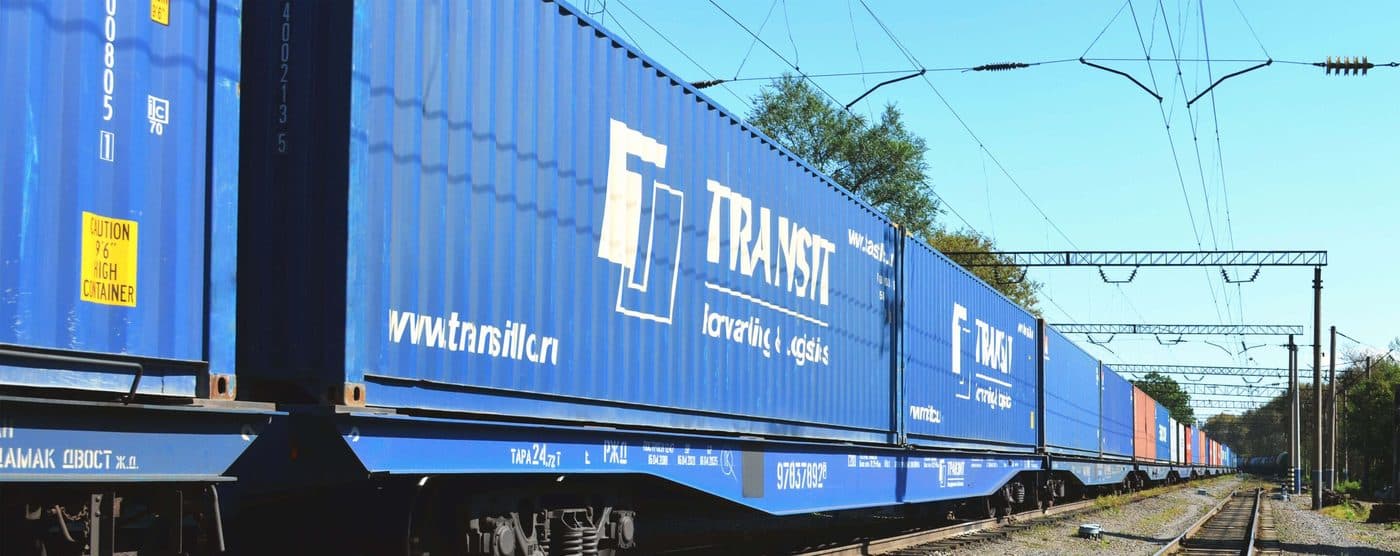
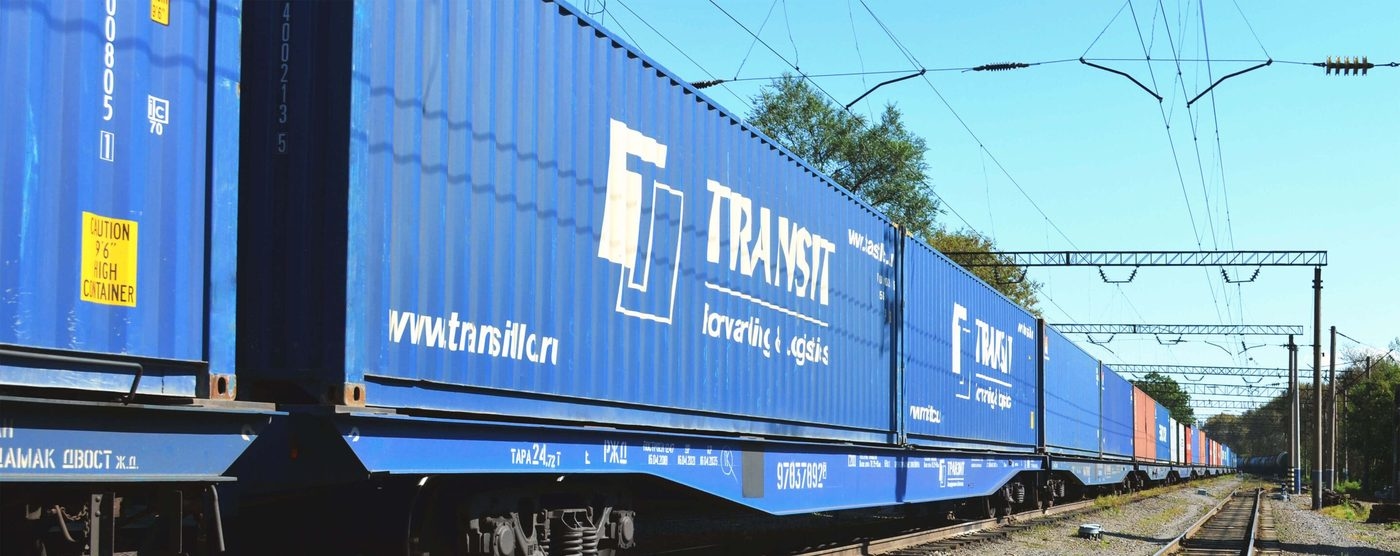
    The container is loaded onto our own flatcar. A single container along the entire route — with no reloading of cargo. The cargo never leaves the container until the destination station.

  4. Rail transportation

    The container travels as part of a container train on a stable schedule. A direct contract with China Railway — priority in scheduling. You get online access to statuses: current station, ETA, border crossing status.

  5. Customs clearance

    Our customs brokers prepare the declaration, calculate duties and VAT, and support cargo release. We shift the customs workload closer to the destination station — this provides additional working capital days.

  6. Unloading at the destination station

    The container arrives at the destination station in Russia. We arrange unloading and receiving. If necessary — LCL deconsolidation at our own warehouse.

  7. Delivery to the consignee's warehouse

    We arrange the last mile — container delivery to the consignee's warehouse by truck. We hand over a complete package of closing documents.

Comparison of delivery methods from China

MethodTimeCostWhen to choose
Rail via Zabaykalsk14–18 days to MoscowMediumUrgent deliveries — without a sea leg
Rail via Naushki/Mongolia16–20 days to MoscowMediumAn alternative route when Zabaykalsk is overloaded
Sea via western ports30–45 daysLowerLarge shipments — cost optimization
Sea via Vladivostok + rail7–12 + 7–14 daysLowerLarge shipments — cost optimization

Rail via Zabaykalsk

Time
14–18 days to Moscow
Cost
Medium
When to choose
Urgent deliveries — without a sea leg

Rail via Naushki/Mongolia

Time
16–20 days to Moscow
Cost
Medium
When to choose
An alternative route when Zabaykalsk is overloaded

Sea via western ports

Time
30–45 days
Cost
Lower
When to choose
Large shipments — cost optimization

Sea via Vladivostok + rail

Time
7–12 + 7–14 days
Cost
Lower
When to choose
Large shipments — cost optimization

We will prepare a comparison quote for your cargo — with specific timelines, budgets, and risks for each option.

Frequently asked questions

14–20 days depending on the corridor. Via Zabaykalsk — 14–18 days. Via Naushki and Mongolia — 16–20 days. Via Dostyk — 18–20 days. The exact time is stated in the commercial proposal after clarifying the cargo parameters and the route.

Work with us

Submit a request and our specialists will contact you. We will calculate the cost and select the optimal route and delivery time. The consultation is free.

Submit a request