Full Container Load (FCL) Shipping

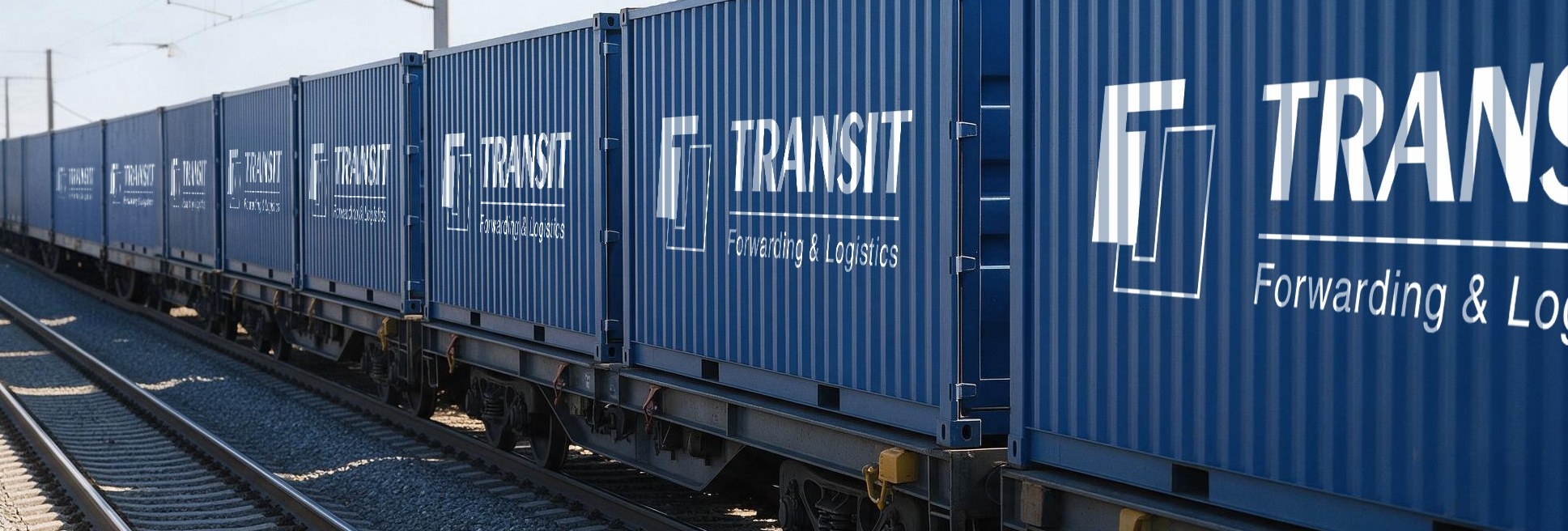
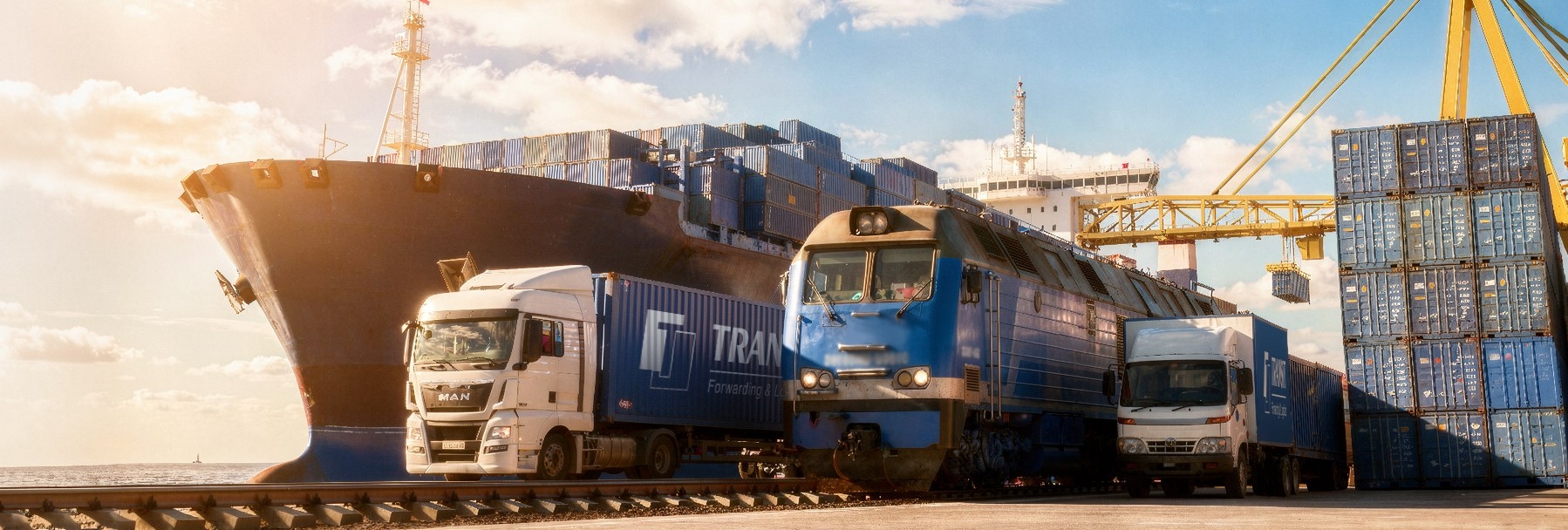
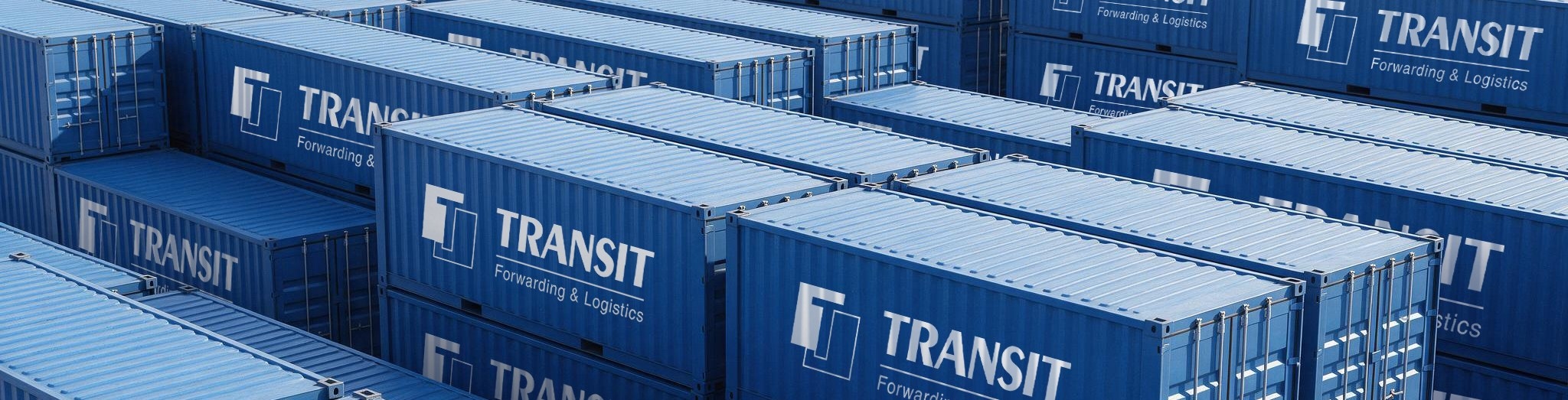
FCL (Full Container Load) means shipping your cargo in an entire container. You pay for the container, not for the cargo's volume or weight. The container is not opened at transit warehouses, and your cargo is never mixed with anyone else's. It is optimal for large shipments when the cargo volume fills or nearly fills a container. FCL is arranged by sea, rail, and truck — depending on urgency, budget, and destination.

Calculate Cost
Full Container Load (FCL) Shipping

36 000+

owned containers

7

Transit Line vessels owned

Calculate Cost

Why Choose FCL

FCL means a dedicated container for your cargo. Here is what makes this service work.

  1. The container is not opened in transit

    The cargo is loaded into the container at the shipper's facility and unloaded at the consignee's. No opening at transit warehouses, no transloading, no mix-ups. Fewer touches mean fewer risks of damage and loss.

  2. 36 000+ owned containers

    Owned and operated containers: 20', 40', 40' HC, 45' HC, Open Top, Flat Rack, Reefer. No need to source a separate container. Positioning within the agreed timeframe.

  3. Three modes of transport — sea, rail, truck

    FCL is arranged by sea (30–55 days), by rail (14–20 days), and by truck (12–18 days). The choice depends on urgency, budget, and destination. A manager will select the optimal option.

  4. Customs clearance and delivery in a single loop

    Customs brokers prepare the declaration, calculate duties and VAT, and support cargo release. Customs clearance and delivery stay in a single loop. No need to find a separate customs representative.

What Cargo We Ship

FCL works for cargo that fills or nearly fills a container, as well as for cargo that requires a dedicated container under the terms of carriage.

Cargo categories and examples
CategoryProduct examples
Consumer goodsHome appliances, electronics, clothing, footwear, household goods
Industrial equipmentMachine tools, pumps, compressors, spare parts, consumables
Automotive componentsEngines, body panels, assemblies, chassis, electronics
Construction materialsDry mixes, paint, insulation, fasteners, finishing materials
Chemical productsPolymers, plasticizers, additives, reagents (non-hazardous cargo)
Food products (reefer)Frozen products, dairy goods, beverages, semi-finished products
Agricultural productsGrain, feed, fertilizers, agricultural machinery and spare parts
Oversized cargoSteel structures, pipes, equipment, oversized items (Open Top, Flat Rack)

Types of Shipping

FCL is arranged with different modes of transport depending on urgency, budget, and destination.

Sea Freight (FCL)

Sea Freight (FCL)

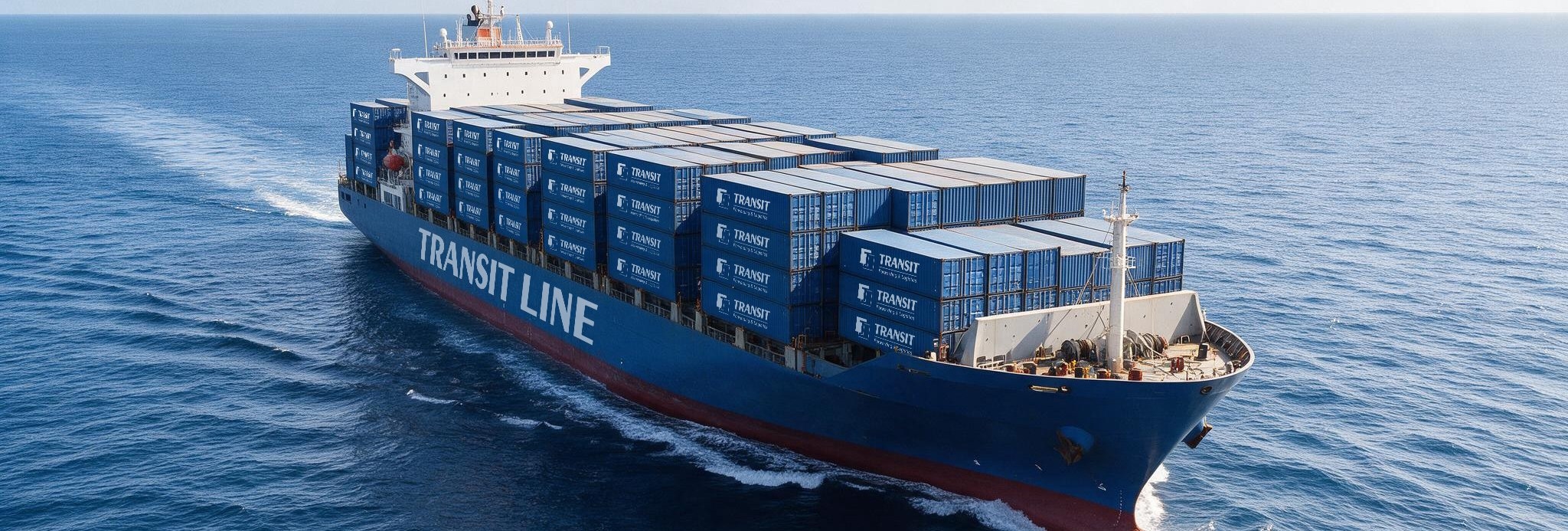
Full container shipping by sea — via the western ports of Russia (Big Port of St. Petersburg, Ust-Luga, Kaliningrad) or via Vladivostok. Transit time — 30–55 days. The sea leg is backed by our own Transit Line with 7 owned vessels.

Sea · 30–55 days · 20'/40'/40'HC
Rail Freight (FCL)

Rail Freight (FCL)

Full container shipping by rail — own trains via Zabaykalsk, Naushki, Dostyk. A direct contract with China Railway. Transit time — 14–20 days from China. A balance of speed and cost.

Rail · 14–20 days · 20'/40'/40'HC

Truck Freight (FCL)

Truck Freight (FCL)

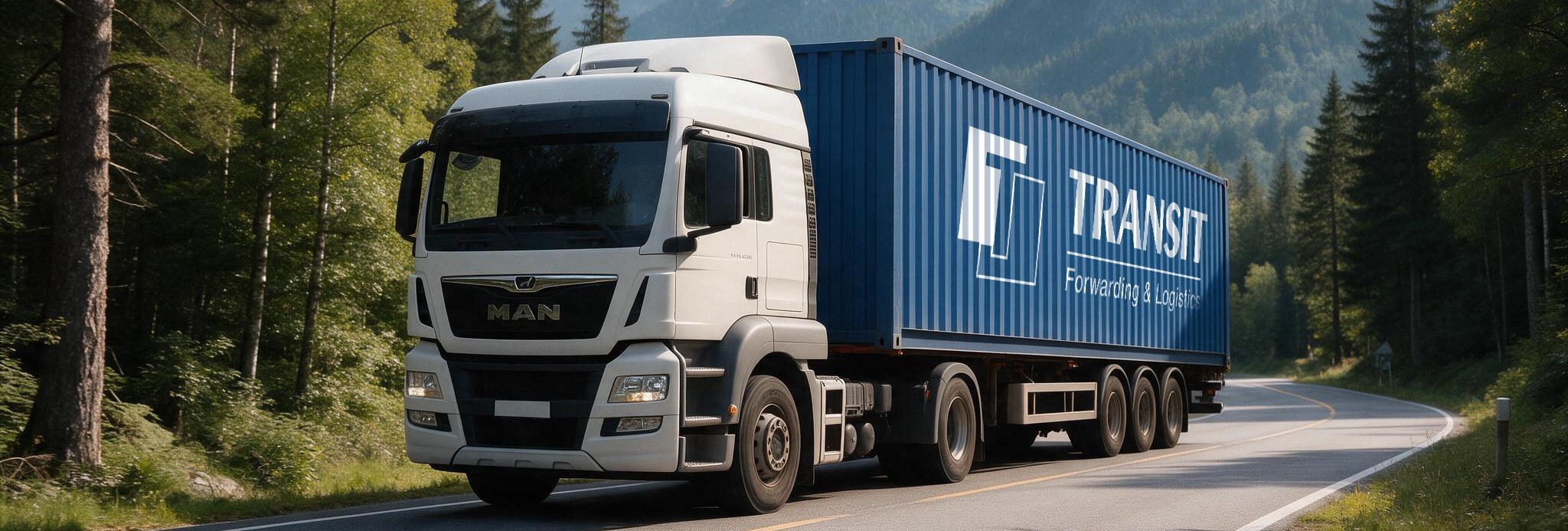
Shipping full containers by truck — a container chassis from a port or station to the consignee's warehouse. The last mile. Or a direct run from China via border crossings — 12–18 days.

Truck · 12–18 days · 20'/40'/40'HC

Multimodal Transportation (FCL)

Multimodal Transportation (FCL)

A combination of transport modes in one chain: sea + rail + truck. For example, sea from China to Vladivostok, rail to Moscow, truck to the warehouse. A single responsible partner across the entire chain.

Mix · flexible timing · single loop

Geography of Shipping

The geography of FCL shipping covers all major import and export routes.

China — Russia

The main import route. By sea — via Vladivostok or the western ports. By rail — via Zabaykalsk, Naushki, Dostyk. By truck — via border crossings. Offices and staff in Shanghai and Chengdu handle first-mile organization.

Southeast Asia — Russia

Imports from Vietnam, Thailand, Indonesia, Malaysia. By sea — via Vladivostok or the western ports. Transit time — 30–45 days. Customs clearance and delivery in a single loop.

Europe — Russia and Russia — Europe

Imports from Europe via the western ports of Russia. Exports from Russia to Europe. By sea — via the Big Port of St. Petersburg, Ust-Luga, Kaliningrad. Transit time — 30–45 days.

Company Scale and Capacity

The numbers that define our FCL capabilities.

36 000+

owned containers

7

Transit Line vessels owned

2 000+

owned fitting platform flatcars

4

transport corridors

13

offices in 7 countries

online

status and ETA control

36 000+ owned containers

Owned and operated containers: 20', 40', 40' HC, 45' HC, Open Top, Flat Rack, Reefer. No need to source a separate container. Positioning within the agreed timeframe.

Own shipping line Transit Line

Transit Line is our own shipping line with 7 owned vessels. Sea freight is arranged via the western ports of Russia and Vladivostok within a single operational loop.

2 000+ owned fitting platform flatcars

Flatcars for container rail transport. Own trains via Zabaykalsk, Naushki, Dostyk. A direct contract with China Railway.

4 transport corridors

Four transport corridors instead of dependence on a single route. Switching between routes via Zabaykalsk, Naushki, and Dostyk. Own flatcars on the route through Mongolia.

Offices and staff in China

Own offices and staff in Shanghai and Chengdu. First-mile organization: receiving cargo from the supplier, inspection, consolidation. Document control on the China side.

Online status control

Online access to statuses: loading, departure, border crossings, customs, delivery. Control of ETA, statuses, documents, and deviations.

Cases We Handle

FCL solves the challenges of importers, exporters, and manufacturers. Below are typical scenarios.

Importing goods from China by sea

An importer orders a batch of goods from a supplier in China — one 40-foot container. FCL: the container is loaded at the factory in China, shipped by sea via Vladivostok, then by rail to Moscow and by truck to the warehouse. Result: cargo at the warehouse in 45 days, with customs in a single loop.

Importing equipment from China by rail

A manufacturer orders equipment from China — two 40-foot containers. FCL: rail via Zabaykalsk, an own train, 16 days. Result: equipment at the warehouse in 18 days including customs — faster and cheaper than sea.

Exporting products from Russia to Asia

An exporter ships products from Russia to Southeast Asia — one 20-foot container. FCL: the container is loaded at the plant and shipped by sea via Vladivostok. Result: products at the destination port in 35 days, with a complete set of export documents.

Stages of Shipping Arrangement

  1. Request and quote

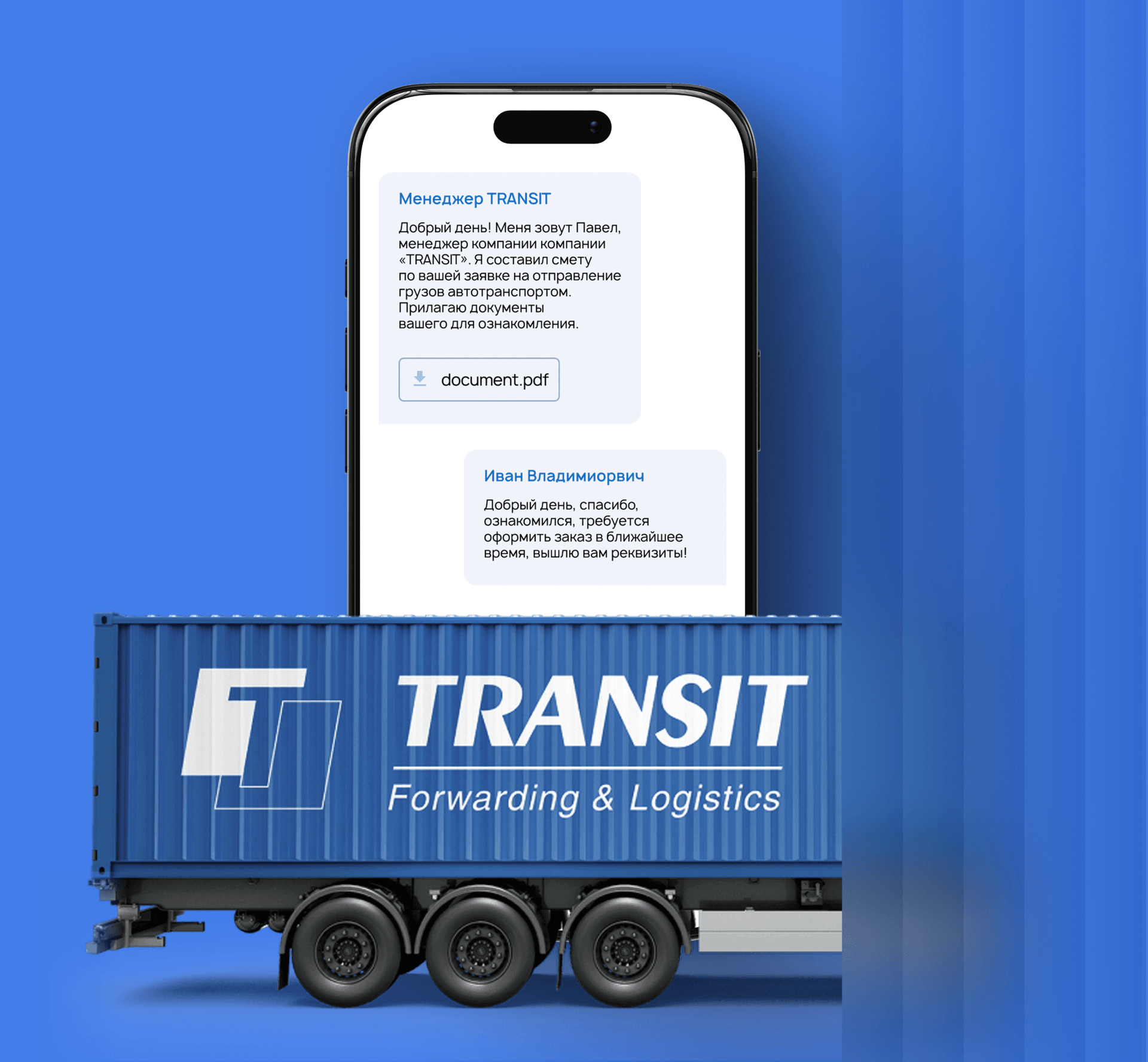
    You submit a request with cargo parameters: weight, volume, origin, destination, and preferred mode of transport. A manager selects a container and calculates the cost.

  2. Container loading

    The container is delivered to the shipper's warehouse. For cargo from China, our own staff receive the cargo from the supplier and load the container at the warehouse in Shanghai or Chengdu. Sealing.

  3. Transportation

    The container departs on its route: by sea, rail, or truck. The container is not opened in transit. GPS monitoring and status control along the entire route.

  4. Customs clearance

    Customs brokers prepare the declaration, calculate duties and VAT, and support cargo release. HS/FEACN classification, customs value, currency control. Customs stays in a single loop with delivery.

  5. Delivery to the consignee's warehouse

    The container is delivered to the consignee's warehouse by truck (container chassis). Unloading, unsealing, inspection. We hand over a complete set of documents.

  6. Empty container return

    After unloading, the container is returned to the depot. Return coordination is on our side. You do not pay for container detention beyond the agreed timeframe.

End-to-End Logistics Support

FCL is more than delivery. It is end-to-end support across the entire chain.

Customs clearance

Full cycle: HS/FEACN classification, customs value calculation, declaration preparation, release support. We handle import duties, VAT, excises, and currency control.

First-mile organization in China

Receiving cargo from the supplier, inspection, consolidation, and container loading at our own warehouse in Shanghai or Chengdu. Our own staff in China.

Warehouse handling

Receiving, storage, cross-docking, labeling. Own warehouses in Moscow, St. Petersburg, Yekaterinburg, and Vladivostok.

Cargo insurance

Insurance for the full value on all legs of the route. The policy covers damage, loss, and delay risks.

Delivery to marketplaces

Cargo preparation to the requirements of Wildberries, Ozon, Yandex Market. Labeling and delivery to the marketplace warehouse.

Comparing FCL with Other Options

MethodTimeCostWhen to choose
FCL (full container)14–55 daysMediumLarge shipments, container not opened in transit
LCL (consolidated container)30–55 daysLowSmall shipments, pay for the actual volume
FTL (full truck)3–18 daysMediumLarge shipments, direct truck run
LTL (consolidated truck)5–18 daysLowSmall shipments, pay for the actual volume

FCL (full container)

Time
14–55 days
Cost
Medium
When to choose
Large shipments, container not opened in transit

LCL (consolidated container)

Time
30–55 days
Cost
Low
When to choose
Small shipments, pay for the actual volume

FTL (full truck)

Time
3–18 days
Cost
Medium
When to choose
Large shipments, direct truck run

LTL (consolidated truck)

Time
5–18 days
Cost
Low
When to choose
Small shipments, pay for the actual volume

We will prepare a comparison quote for your cargo — with specific transit times, budgets, and risks for each option.

FAQ

FCL (Full Container Load) is shipping in an entire container. You pay for the whole container. The cargo is not mixed with anyone else's, and the container is not opened in transit. LCL (Less than Container Load) is consolidated shipping. You pay for the volume actually used. FCL is more cost-effective when the cargo fills or nearly fills a container.

Work with us

Submit a request and our specialists will contact you. We will calculate the cost and select the optimal route and delivery time. The consultation is free.

Submit a request