Multimodal Container Shipping

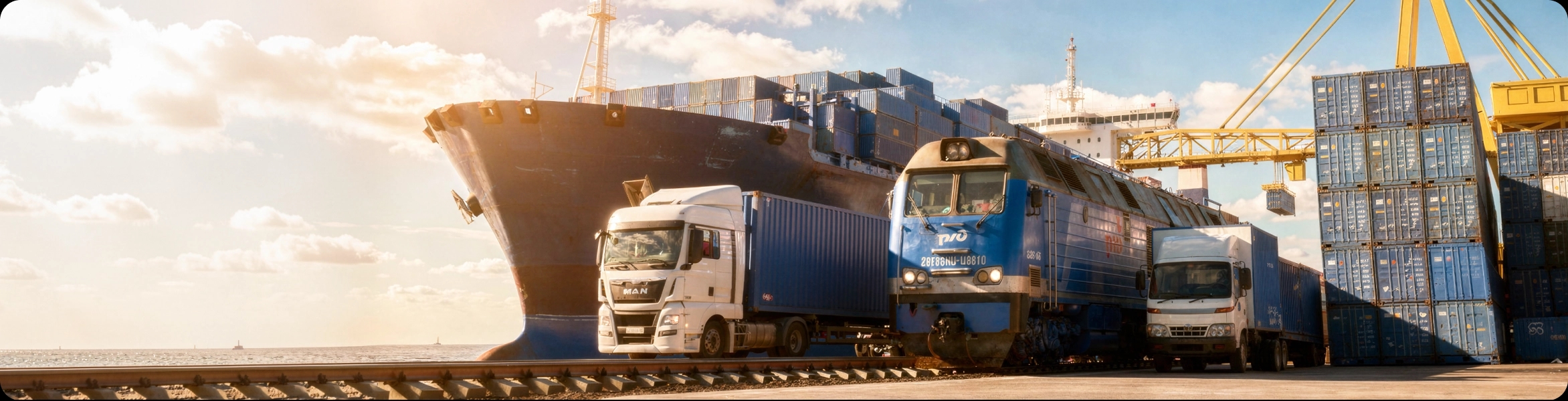
A multimodal shipment is delivery under a single contract using multiple modes of transport. Sea + rail + truck is the optimal combination for complex routes. One responsible partner along the entire chain. Control over deadlines, statuses, documents, and deviations — on every leg. Customs clearance and the last mile — within a single loop.

Calculate Cost
Multimodal Container Shipping

4

transport corridors instead of one

13

offices in 7 countries — unified control

Calculate Cost

Why customers choose multimodal shipping

A multimodal shipment is when a single mode of transport cannot do the job. Sea — slow but cheap. Rail — faster, but tracks do not reach everywhere. Truck — fast, but expensive for large volumes. Multimodal is a combination where every leg of the route is served by the optimal mode of transport. One contract, one responsible partner, one point of control.

  1. One contract — one responsible partner

    A multimodal shipment is formalized by a single contract. We are responsible for the entire chain — from dispatch to delivery. There is no need to coordinate multiple carriers. One contact, one report, one result.

  2. The optimal combination of transport modes

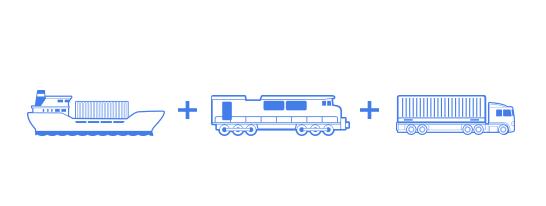
    Sea + rail + truck — every leg of the route is served by the optimal mode of transport. Sea — for the transoceanic leg. Rail — for the continental one. Truck — for the last mile. Result: optimization of lead time and cost.

  3. 4 transport corridors — instead of one

    Four transport corridors: via Zabaykalsk, Naushki, Dostyk, and Mongolia. If one route is congested or closed — we switch to another. This removes dependence on a single path and reduces delay risks.

  4. Customs clearance within a single loop

    Customs brokers prepare the declaration, calculate duties and VAT, and support the release of the goods. No need to look for a separate customs representative. Customs clearance and the last mile — within a single loop.

What cargo we ship

Multimodal shipping works for a wide range of cargo. Below are the main categories.

Cargo categories and examples
CategoryProduct examples
Electronics and appliancesSmartphones, laptops, home appliances, components, server equipment
Clothing and textilesReady-made clothing, fabrics, trims, footwear, accessories
Auto partsTires, wheels, body parts, engines, consumables
Furniture and interiorCase goods, upholstered furniture, decor, plumbing fixtures
Equipment and machine toolsIndustrial equipment, machine tools, spare parts, metal structures
Chemicals and plasticsPolymers, chemical raw materials, plastics, rubber
Construction materialsCeramics, plumbing fixtures, finishing materials, tools
Food productsDry foods, canned goods, beverages, food industry ingredients

Types of shipping

A multimodal shipment is a combination of transport modes. Below are the main schemes.

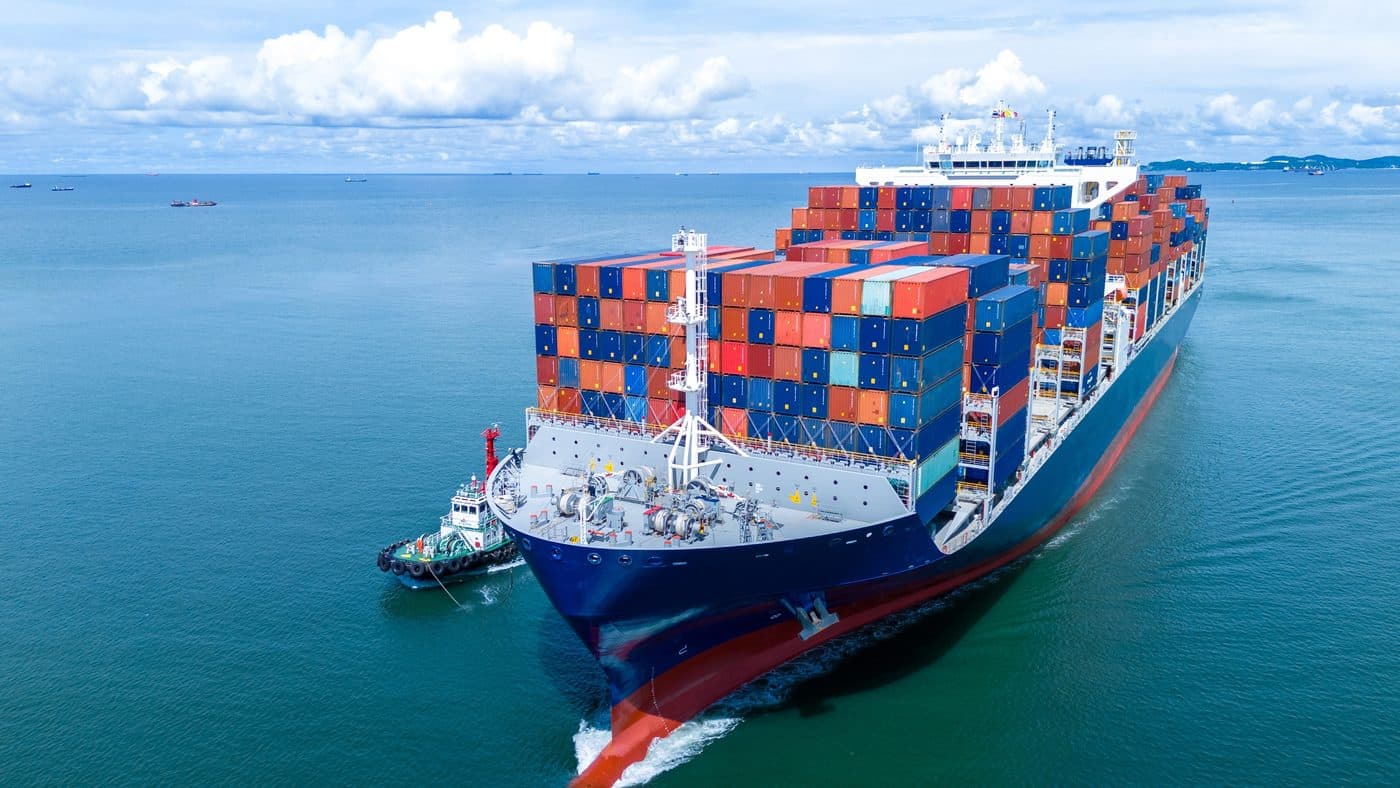
Sea + rail + truck

Sea + rail + truck

The transoceanic leg — by sea. The continental one — by rail. The last mile — by truck. The optimal combination for large shipments from Asia to Russia. Balance of lead time and cost.

Sea + rail + truck · balance of lead time and cost
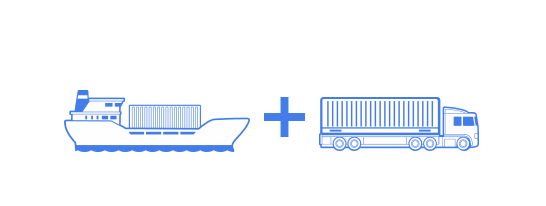
Sea + truck

Sea + truck

The transoceanic leg — by sea. Delivery to the consignee's warehouse — by truck. For shipments where rail is impractical. Simpler and faster than sea + rail + truck.

Sea + truck · a simpler scheme

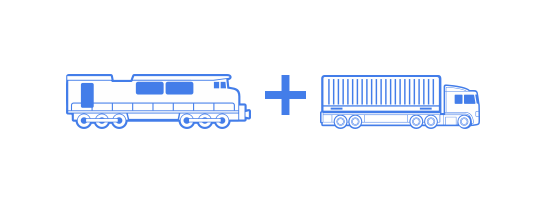
Rail + truck

Rail + truck

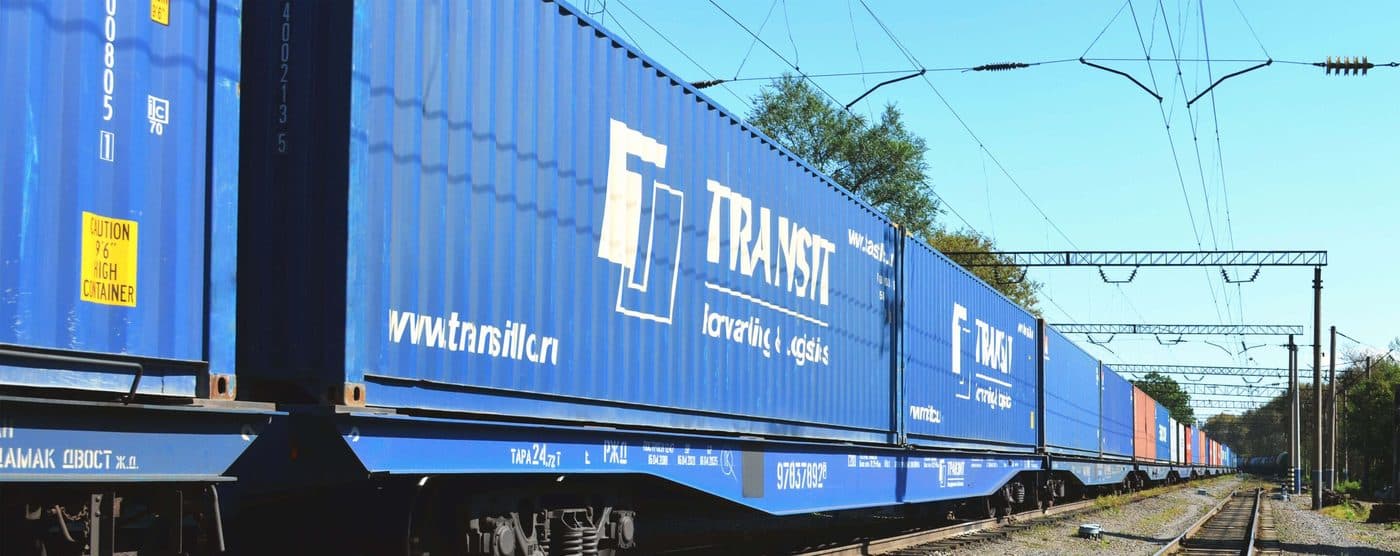
The continental leg — by rail. The last mile — by truck. For routes within Eurasia without a sea leg. Rail — a stable schedule, truck — delivery to the door.

Rail + truck · no sea leg

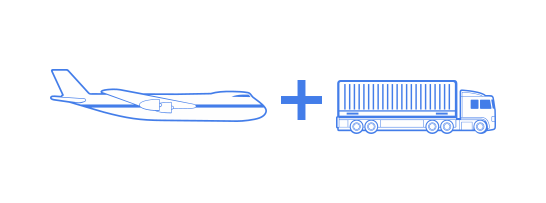
Air + truck

Air + truck

The urgent leg — by air. Delivery to the warehouse — by truck. For time-critical deliveries. Air — fast, truck — the last mile.

Air + truck · urgent deliveries

Shipping geography

The geography of multimodal shipping spans 4 transport corridors and routes around the world.

China — Russia via Zabaykalsk

The route via the Zabaykalsk border crossing. Rail — a stable schedule of our own trains. Sea + rail + truck — for shipments from southern and eastern China.

China — Russia via Naushki and Dostyk

Routes via alternative border crossings. If Zabaykalsk is congested — we switch to Naushki or Dostyk. This removes dependence on a single path.

China — Russia via Mongolia

The route through Mongolia with our own flatcars on the route. An alternative corridor. Passage of certain legs through Kazakhstan in an accelerated mode.

Company scale and capacity

The figures that define our capabilities in multimodal shipping.

4

transport corridors

13

offices in 7 countries

36 000+

own containers

2 000+

own container flatcars

400+

tractor trucks

7

Transit Line vessels owned

4 transport corridors

Four transport corridors: via Zabaykalsk, Naushki, Dostyk, and Mongolia. If one route is congested or closed — we switch to another. This removes dependence on a single path and reduces delay risks.

13 offices in 7 countries

Offices in Russia, China, Kazakhstan, Belarus, Armenia, Turkey, and the UAE. Managers in different time zones — continuous control. A single responsible partner along the entire chain.

36 000+ own containers

An own container fleet means control over equipment availability. The container is supplied on time — no idle waiting. Various types: standard, refrigerated, open-top, tank containers.

2 000+ own container flatcars

An own fleet of rail flatcars — a stable schedule for our own trains. We are not dependent on Russian Railways (RZD) for flatcar availability. The container departs on schedule.

400+ tractor trucks and our own Transit Line

The truck fleet — 400+ tractor trucks. The sea leg is complemented by our own Transit Line with 7 vessels owned. Every leg of the multimodal chain is under control.

Online status tracking on all legs

Online access to statuses: current location, ETA, border crossing status, documents. Control over deadlines, statuses, documents, and deviations — on every leg of the route.

Use cases we handle

Multimodal shipping handles tasks where a single mode of transport is not optimal. Below are typical scenarios.

Delivery from China — sea + rail + truck

An importer needs to deliver a large batch of electronics from Shanghai to Yekaterinburg. Sea — to Vladivostok (30–45 days). Rail — to Yekaterinburg (7–10 days). Truck — to the consignee's warehouse (1–2 days). Multimodal — one contract, one point of control. Result: cost optimization with an acceptable lead time.

Delivery from China — rail + truck (without the sea)

An importer needs to deliver a shipment from Chengdu to Moscow. Rail via Zabaykalsk — 14–18 days. Truck — the last mile. Multimodal — without the sea leg. Result: faster than sea + rail + truck.

Route switching under congestion

A container moves via Zabaykalsk. There is congestion at the border. We switch to the route via Naushki or Dostyk. The container is delivered without a long idle time. Result: 4 corridors instead of dependence on a single route.

Shipping process stages

  1. Request and quote

    You submit a request with your cargo parameters. The manager clarifies: origin, destination, cargo type, deadline, budget. We prepare a commercial offer with the optimal combination of transport modes.

  2. Route selection

    Based on the cargo parameters, we select the optimal route: transport mode, border crossing, transloading ports. 4 transport corridors — the ability to choose and switch between routes.

  3. First mile

    Offices in Shanghai and Chengdu — our own specialists. Factory pickup, document checks, consolidation. The first mile under control.

  4. Transoceanic / continental leg

    Sea — for the transoceanic leg. Rail — for the continental one. Status control on every leg: current location, ETA, border crossing status.

  5. Transloading and crossing

    Transloading between transport modes. Passage of border crossings. If there is congestion at one crossing — we switch to an alternative corridor.

  6. Customs clearance

    Our customs brokers prepare the declaration, calculate duties and VAT, and support the release of the goods. Customs clearance — within a single loop.

  7. Last mile and closing documents

    Delivery to the consignee's warehouse — with our own truck fleet. We hand over a complete package of closing documents. Online access to documents: waybills, customs declarations, acceptance certificates.

End-to-end logistics support

A multimodal shipment is not just several modes of transport. It is end-to-end support along the entire chain.

Customs clearance

Full cycle: HS Code classification, customs value calculation, preparation of declarations, release support. We handle import duties, VAT, excise duties, and currency control.

Warehouse handling

Own warehouses in Moscow, St. Petersburg, Yekaterinburg, and Vladivostok. Receiving, consolidation, deconsolidation, cross-docking. Onward delivery to the regions.

Cargo insurance

Insurance of the container and cargo at full value on all legs of the route. The policy covers damage, loss, and delay risks.

Comparing multimodal delivery schemes

MethodTimeCostWhen to choose
Sea + rail + truck35–55 daysMediumLarge shipments from Asia — balance of lead time and cost
Sea + truck32–50 daysMediumShipments without a rail leg
Rail + truck14–20 daysAbove averageRoutes within Eurasia without the sea
Air + truck5–10 daysHighUrgent deliveries

Sea + rail + truck

Time
35–55 days
Cost
Medium
When to choose
Large shipments from Asia — balance of lead time and cost

Sea + truck

Time
32–50 days
Cost
Medium
When to choose
Shipments without a rail leg

Rail + truck

Time
14–20 days
Cost
Above average
When to choose
Routes within Eurasia without the sea

Air + truck

Time
5–10 days
Cost
High
When to choose
Urgent deliveries

We will prepare a comparative calculation for your cargo — with specific lead times, budgets, and risks for each scheme.

FAQ

A multimodal shipment is delivery under a single contract using multiple modes of transport. Sea + rail + truck is the optimal combination for complex routes. One responsible partner along the entire chain.

Work with us

Submit a request and our specialists will contact you. We will calculate the cost and select the optimal route and delivery time. The consultation is free.

Submit a request