Container transportation

Suitable for shipments that can be moved in a container setup, provided the packaging and documentation requirements are met.
FCL · multimodal scheme
International transport group Transit arranges dangerous goods transportation, including DG-classified products and lithium batteries. Before launching the route, we verify the cargo's characteristics, packaging requirements, and DGR/MSDS documents, and then build the transportation and handling scheme.
Calculate Cost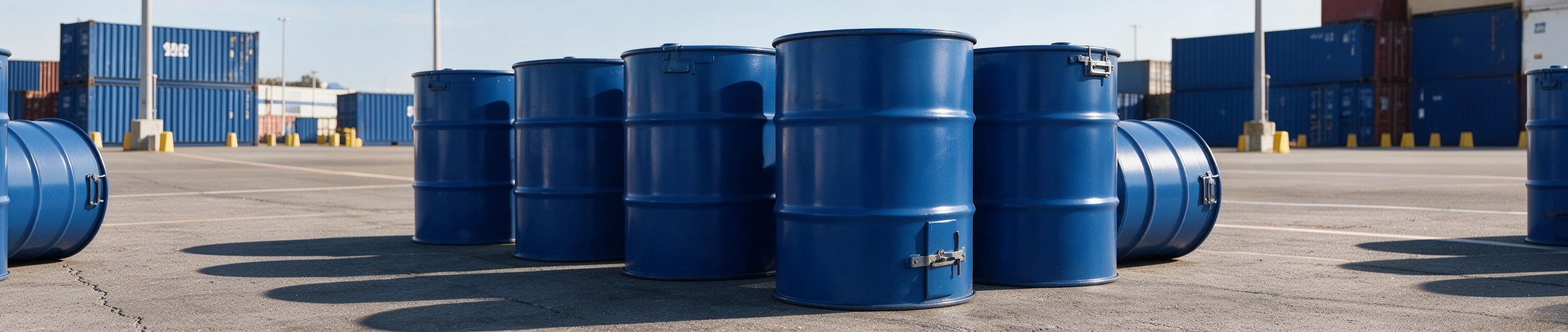
For such shipments, correct cargo identification, a complete set of documents, and consistent requirements at every transport and terminal stage are critical.
We clarify the composition, packaging, hazard class, and special restrictions that affect the choice of route and equipment.
We work with DGR/MSDS and factor in the packaging requirements so they are built into the operational scheme before dispatch.
We select the chain of transportation, terminal handling, and onward delivery to match the parameters of the specific shipment.
We align the actions of carriers, terminals, the warehouse, and the parties of a foreign trade shipment within a single loop.
Feasibility of transportation is determined by the data on the specific product and its documentation.
| Category | Product examples |
|---|---|
| Chemical products | Goods that require verification of the hazard class, packaging, and accompanying documentation |
| Lithium batteries | Batteries and devices with lithium cells, provided the required information and documents are available |
| Auto parts | Components that may fall under the DG category and require special approvals |
| Industrial goods | Products with special packaging, labeling, or documentation requirements |
We build the transportation scheme after verifying the cargo, packaging, and the availability of a suitable transport solution on the chosen route.
Suitable for shipments that can be moved in a container setup, provided the packaging and documentation requirements are met.
FCL · multimodal scheme
Used for the first or last mile, as well as on domestic Russian routes as part of an agreed scheme.
Delivery to the warehouse
Applied on multimodal and domestic Russian routes where the cargo and document parameters allow this solution.
Linked with terminals
The route and the parties involved are selected after verifying the product range and the requirements applicable to the specific shipment.

Arranging the route from the supplier to the consignee, with document requirement checks and cargo handovers between stages.
Road, rail, and multimodal schemes for delivery between terminals, warehouses, and consignee facilities.
Preparing the cargo and transport scheme with the cargo's characteristics and the route's requirements in mind.
The working scheme depends on the hazard class, the type of packaging, and the documentation; we define it before booking the transportation.

We verify the product information and documents, then agree on the applicable transportation scheme and handovers between stages.

We clarify the hazard class, packaging requirements, and route restrictions, and then shape the transport solution.

We arrange the international leg, terminal handling, customs support, and delivery to the consignee as one package.
We request a description, packaging details, hazard class, and DGR/MSDS documents if available.
We assess the requirements for packaging, equipment, the route, and cargo handover operations.
We determine the sequence of transport and terminal stages.
We coordinate the necessary documents, transport, and the agreed actions of the parties involved.
We monitor progress through the agreed stages and keep you updated on statuses.
We hand the cargo over to the next stage or deliver it to the agreed destination point.
The set of documents depends on the specific product range and route. To validate the scheme, we request a cargo description, hazard class information, packaging details, and DGR/MSDS documents where applicable.