FTL — full load
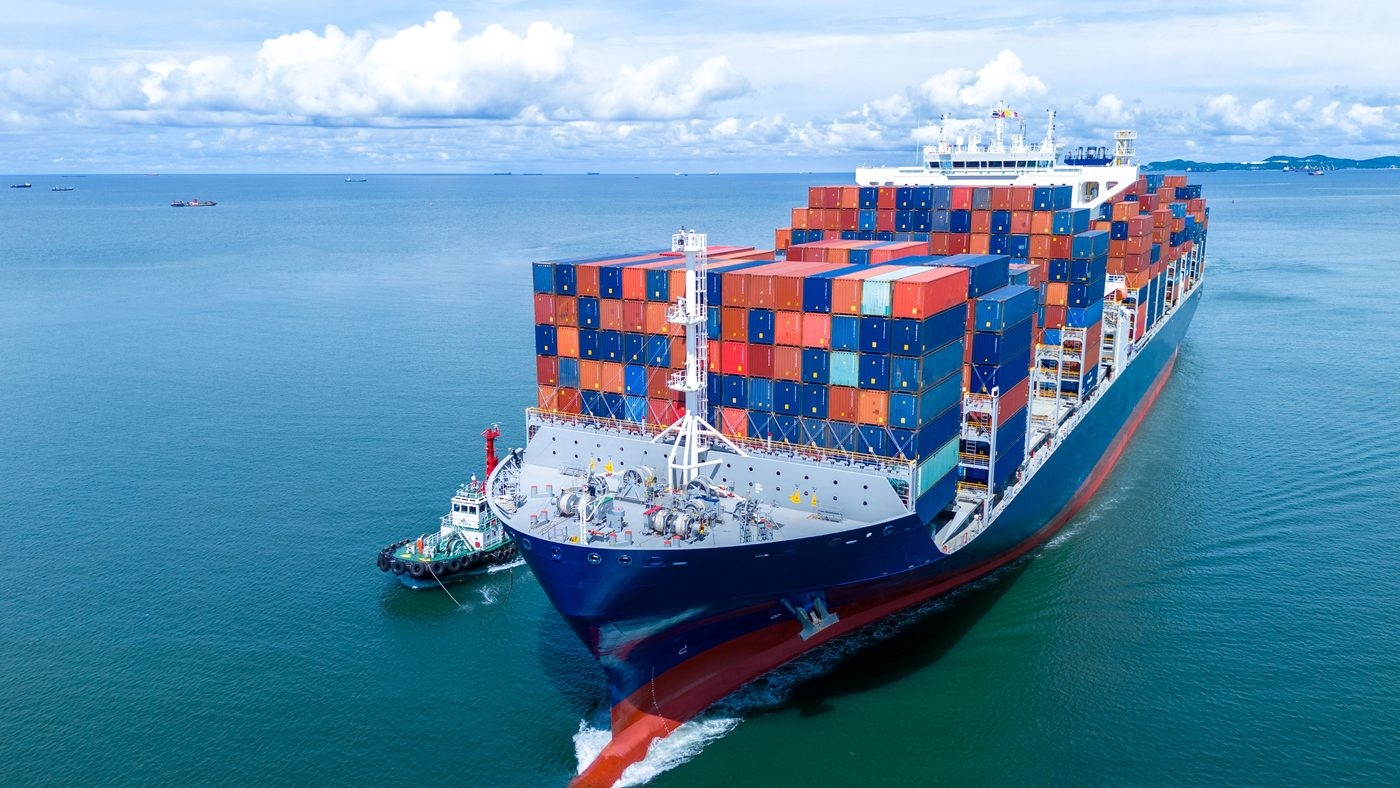
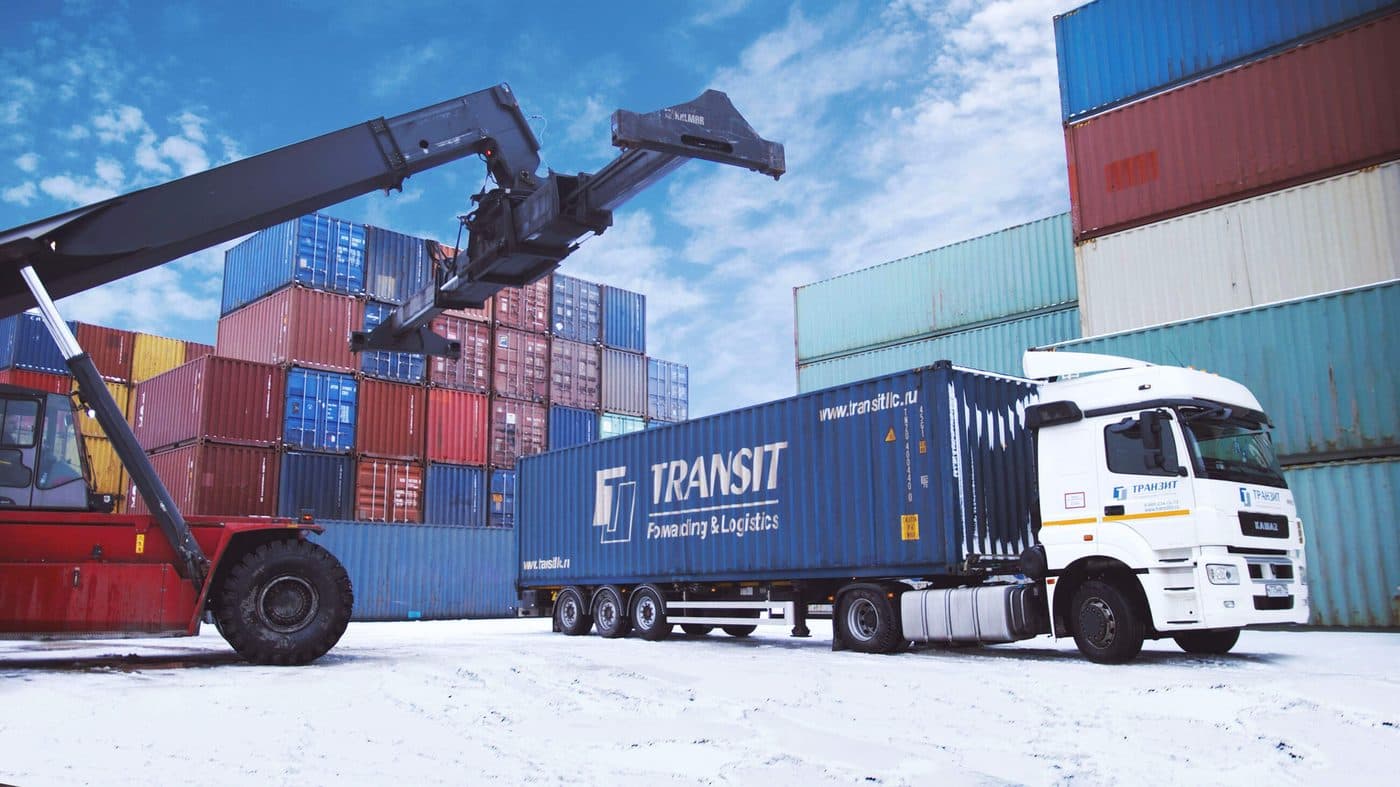
A full truck dedicated to a single shipment. For large batches — the optimal choice. Point-to-point delivery with no intermediate transloading. Our own fleet — 400+ tractors.
FTL · full load · point-to-point
Container transportation by road within Russia. FTL — full truck load, LTL — consolidated cargo. 400+ tractors owned and operated. Point-to-point delivery with no intermediate transloading. Last mile from a rail station or port to the consignee's warehouse — within a single service loop together with rail and sea transportation.
Calculate Cost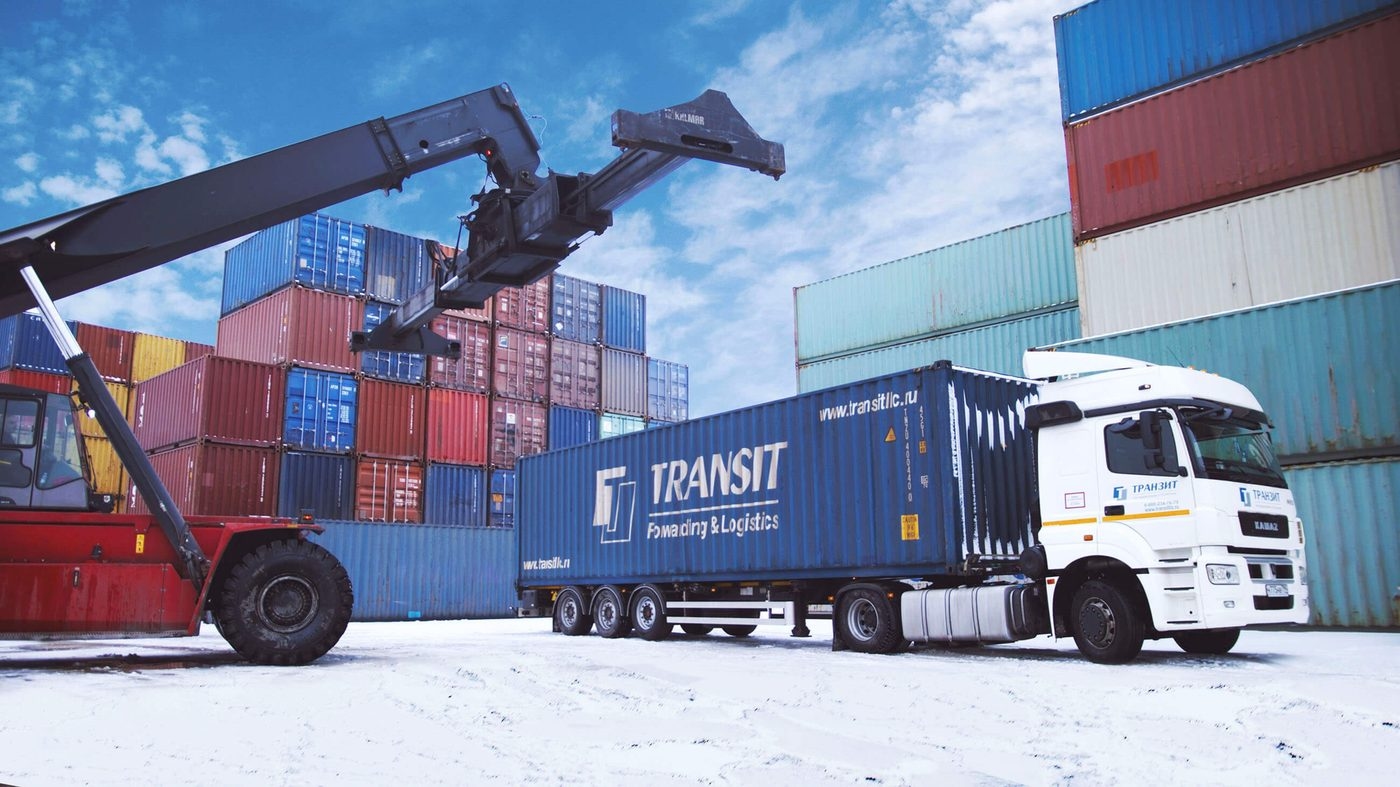
400+
tractors owned and operated
4
warehouses: Moscow, St. Petersburg, Yekaterinburg, Vladivostok
Domestic trucking is point-to-point delivery with no intermediate transloading. Our own fleet of 400+ tractors guarantees a truck is dispatched without waiting. The last mile from a rail station or port to the consignee's warehouse — within a single service loop together with rail and sea routes.
The container is loaded onto a truck at origin and unloaded at the consignee's warehouse. No intermediate transloading, no extra terminal crossings. Minimum time in transit, minimum risk of cargo damage.
Our own fleet — 400+ tractors owned and operated. The container never sits idle waiting for a tractor: it is dispatched and departs immediately. We do not depend on third-party carriers and their schedules.
FTL is a full truck dedicated to a single shipment, for large batches. LTL is consolidated cargo from several shippers in one truck, for smaller volumes. The choice depends on cargo volume and budget. For small batches, LTL is more cost-effective.
Container delivery from a rail station or seaport to the consignee's warehouse — within a single service loop. Rail + truck, sea + truck. One responsible partner across the entire chain. No need to coordinate multiple contractors.
Domestic trucking suits a wide range of cargo. Below are the main categories.
| Category | Product examples |
|---|---|
| Electronics and appliances | Smartphones, laptops, home appliances, components, server equipment |
| Clothing and textiles | Ready-to-wear clothing, fabrics, trims, footwear, accessories |
| Auto parts | Tires, wheels, body parts, engines, consumables |
| Furniture and interior | Case goods, upholstered furniture, decor, sanitary ware |
| Equipment and machinery | Industrial equipment, machine tools, spare parts, metal structures |
| Food products | Dry foods, canned goods, beverages, groceries — no temperature control required |
| Construction materials | Rolled metal, finishing materials, sanitary ware, tools |
| Chemicals and plastics | Polymers, chemical raw materials, plastic, rubber |
Domestic trucking is divided into FTL and LTL, plus the last mile from a station or port.
A full truck dedicated to a single shipment. For large batches — the optimal choice. Point-to-point delivery with no intermediate transloading. Our own fleet — 400+ tractors.
FTL · full load · point-to-point
Consolidated cargo from several shippers in one truck. For smaller volumes — more cost-effective than FTL. Consolidation at our own warehouse. Point-to-point delivery.
LTL · consolidated cargo · warehouse consolidation
Container delivery from a rail station or seaport to the consignee's warehouse. A single service loop: rail + truck, sea + truck. Our own fleet. One responsible partner.
Last mile · rail + truck · sea + truck
Our domestic trucking geography covers the key logistics corridors.

Container distribution from Moscow across the regions. Our own warehouse in Moscow — consolidation and dispatch. FTL and LTL. Point-to-point delivery.
Container delivery from Vladivostok to the central regions. Our own warehouse in Vladivostok — receiving from sea and rail, dispatch by truck. Last mile.
Container distribution via Yekaterinburg. Our own warehouse — consolidation and dispatch across the Urals and Siberia. FTL and LTL.
The numbers behind our domestic trucking capacity.
400+
tractors owned and operated
4
warehouses: Moscow, St. Petersburg, Yekaterinburg, Vladivostok
36 000+
owned containers
13
offices in 7 countries
FTL + LTL
full and consolidated loads
24/7
online status monitoring
Domestic trucking solves a variety of business challenges. Below are typical scenarios.
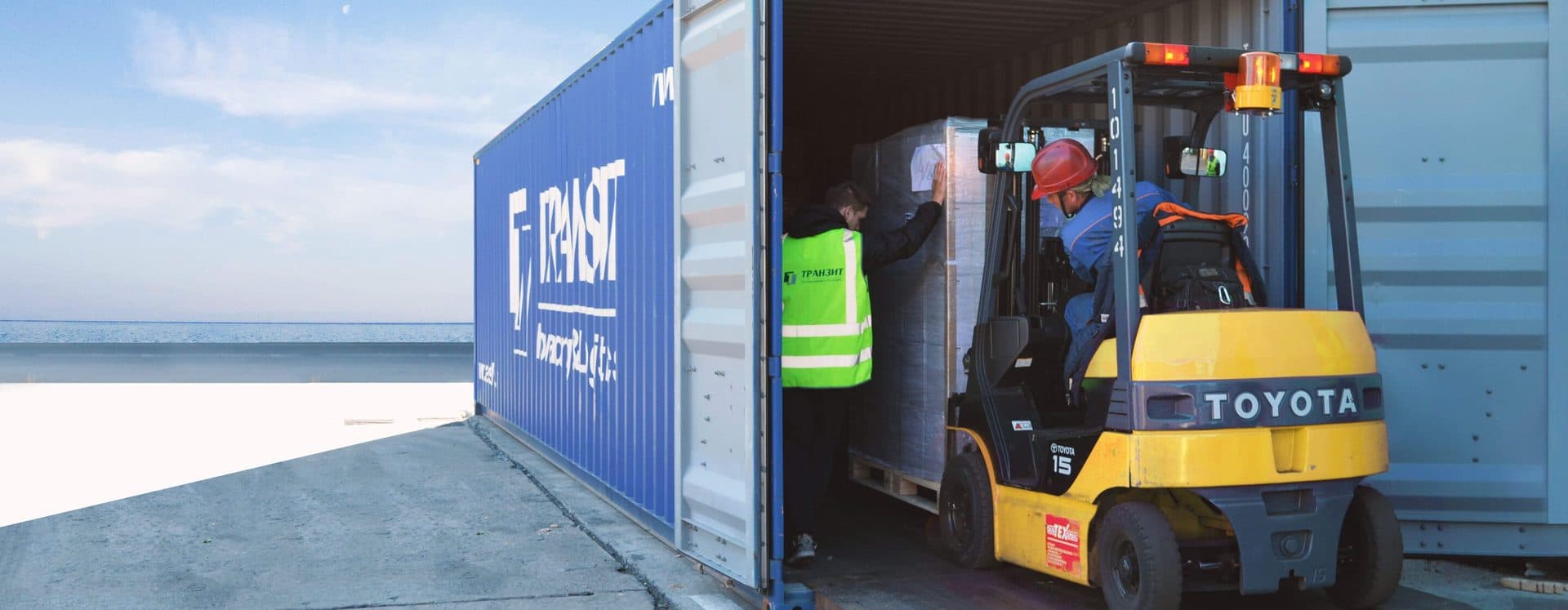
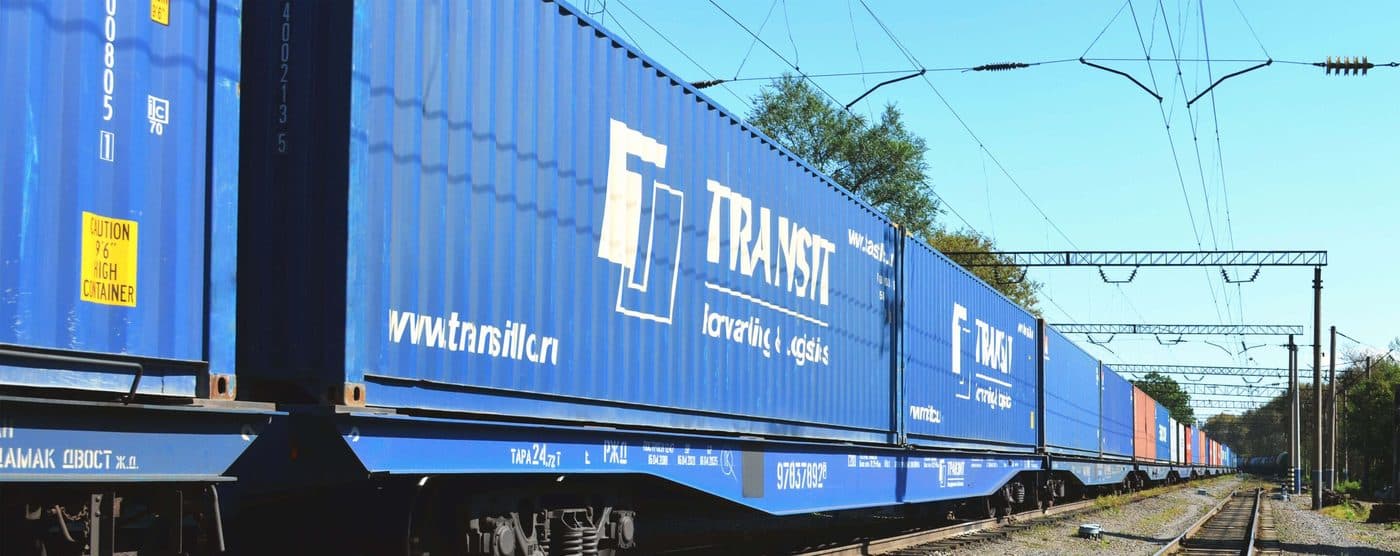
The container arrived at its destination station by rail. We arrange a tractor and delivery to the consignee's warehouse. Our own fleet — 400+ tractors. A single service loop: rail + truck. Result: delivery from station to warehouse with one responsible partner.
Several shippers — one route. LTL consolidation at our own warehouse. Point-to-point delivery. For smaller volumes — more cost-effective than FTL. Result: cost optimization for small batches.
Containers arrived by sea in Vladivostok. Receiving at our own warehouse, consolidation, dispatch by truck across the regions. A single service loop: sea + warehouse + truck. Result: distribution without idle time.
You submit a request with your cargo parameters. The manager clarifies: origin, destination, container type, FTL or LTL, timing. We prepare a commercial proposal.
Cargo is received at the warehouse or terminal. For LTL — consolidation of several shipments in one truck. For FTL — a full load dedicated to one shipment.
The container is loaded onto the truck. Sealing. Cargo and packaging condition check. Transport documents processing.
The truck follows the route. You get online access to statuses: current location, ETA. Managers across time zones — continuous monitoring.
The truck arrives at the consignee's warehouse. We arrange unloading and receiving. If needed — LTL deconsolidation.
We hand over the full package of closing documents. Online access to documents: transport waybills, acts.
Domestic trucking is more than road delivery. We take care of every stage: from receiving to unloading.
Our own warehouses in Moscow, St. Petersburg, Yekaterinburg, Vladivostok. Receiving, LTL consolidation, cross-docking, storage. Further delivery.
Container and cargo insurance for full value on every leg of the route. The policy covers damage, loss and delay risks.
Container delivery from a rail station or seaport to the consignee's warehouse. A single service loop: rail + truck, sea + truck. One responsible partner.
| Method | Time | Cost | When to choose |
|---|---|---|---|
| FTL (full load) | Point-to-point, no transloading | Fixed rate per truck | Large batches — one shipment per truck |
| LTL (consolidated cargo) | With warehouse consolidation | Pay for cargo volume | Smaller volumes — several shippers |
| Last mile | From station/port to warehouse | Included in the through rate | Delivery within a single service loop — rail + truck |
We will prepare a quote for your cargo — with specific transit times and costs for each option.
FTL (Full Truck Load) is a full truck dedicated to a single shipment, for large batches. LTL (Less Than Truck Load) is consolidated cargo from several shippers in one truck, for smaller volumes. FTL for large batches. LTL for smaller volumes, more cost-effective.